


The background
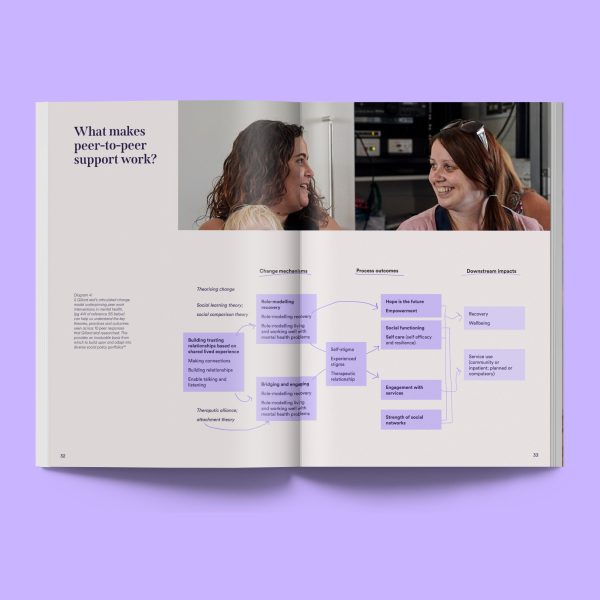
TACSI has been working with Anglicare to roll out the Virtual Village: a peer support model designed to support women on their healing and recovery journey through a community of shared experience, trust and recovery.
The Virtual Village aims to:
- Support healing and recovery for individuals impacted by FDSV
- Increase wellbeing, connection and safety
- Support service navigation
- Expand a person’s support network
- Empower parents to raise children who are safe, confident, and able to thrive
- Build volunteer capacity
- Reduce stress through consistent, relational peer support
In 2025, the Hunter New England and Central Coast Primary Health Network provided funding to Anglicare Moree to adapt the Virtual Village model to support people recovering from family, domestic and sexual violence.
Aligned with the Recovery pillar of the National Plan to End Violence against Women and Children 2022–2032, the Virtual Village offers a peer-led, trauma-responsive approach that recognises healing and recovery as personal, relational and built over time through trust and connection.
Delivered through flexible digital platforms, the model connects people — especially those across rural NSW — with trained peer volunteers who have lived experience of recovery. These peers provide safe, confidential support, offering practical guidance, hope and understanding without judgement.
Co-designed with people with lived experience and grounded in more than a decade of peer support learning, the Virtual Village is helping to turn isolation into connection and to make recovery something people no longer have to navigate alone.


Our approach
TACSI’s approach focuses on thoughtfully adopting and adapting the Virtual Village to each local context, ensuring it builds on existing strengths and reflects the realities of place.
Through local scoping, we work alongside communities and services to understand what’s already working, where the gaps are, and how peer support can be meaningfully integrated. This includes developing tailored materials and practical tools to support on-the-ground delivery, rather than applying a one-size-fits-all model.
From core training through to ongoing coaching and just-in-time guidance for frontline staff and volunteers, TACSI provides a full pathway of implementation support.
Teams are supported in building the practical capabilities needed to begin delivery, alongside regular rhythms of check-ins, troubleshooting, and reflective practice as the work evolves. This combination of structured training and responsive, on-the-ground support helps teams build confidence, adapt in real time and sustain high-quality, peer-led practice.

The insights
This work demonstrates the value of peer-led, relational support in helping people recover from family, domestic and sexual violence.
Key insights include:
- When peer and clinical workforces collaborate toward holistic care, people experience more meaningful and effective support.
- Embedding implementation support alongside delivery strengthens practice in real time, building confidence, consistency and shared understanding across teams.
- Peer support is not one-size-fits-all. It must be adapted to reflect the needs, strengths and context of each community.
- Recovery is strengthened through safe, trust-based relationships that reduce isolation and help people feel understood.
- Lived experience can create hope, possibility and a renewed sense of agency for people navigating recovery.
What’s next?
The Virtual Village is creating tangible outcomes for both individuals and the broader service system.
As Anglicare Moree continues to recruit, train and coach peer volunteers, those volunteers are building authentic, trust-based relationships that reduce isolation and foster meaningful connections.
Through shared experience and reciprocal learning, participants feel understood and less alone. A strong focus on safety ensures support is paced, respectful and trauma-responsive, while also helping people move toward their hopes and goals.
Over time, the Virtual Village is supporting people to re-author their stories in ways that recognise strength, resilience and possibility — showing how peer-led, relational approaches can support lasting recovery, connection and agency.