
Interested in a new way of harnessing the power of lived experience?
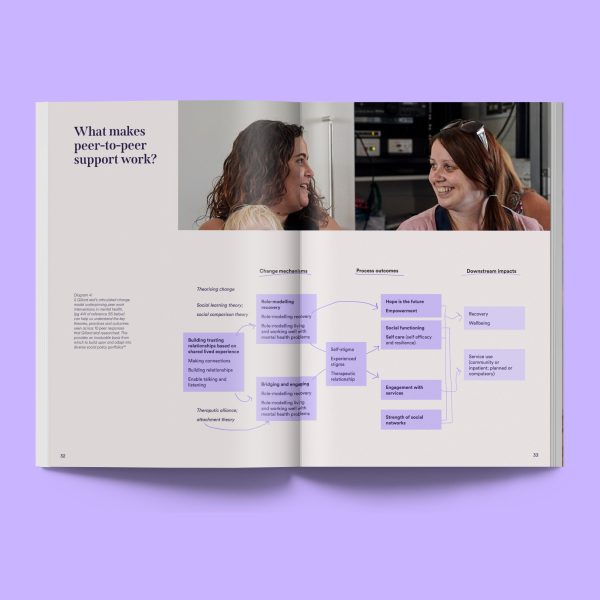
We’ve written a paper that explores the power and efficacy of peer-to-peer network systems, highlighting global case studies from diverse organisations and communities who are harnessing this power for change.
We believe that peer-to-peer support could be harnessed to make progress on persistent challenges such as child protection, homelessness, recidivism, chronic disease and the resettlement of refugees, and could mobilise support in areas of escalating demand such as disability, ageing, caring, mental health and disaster preparedness and recovery.
Why peer-to-peer?
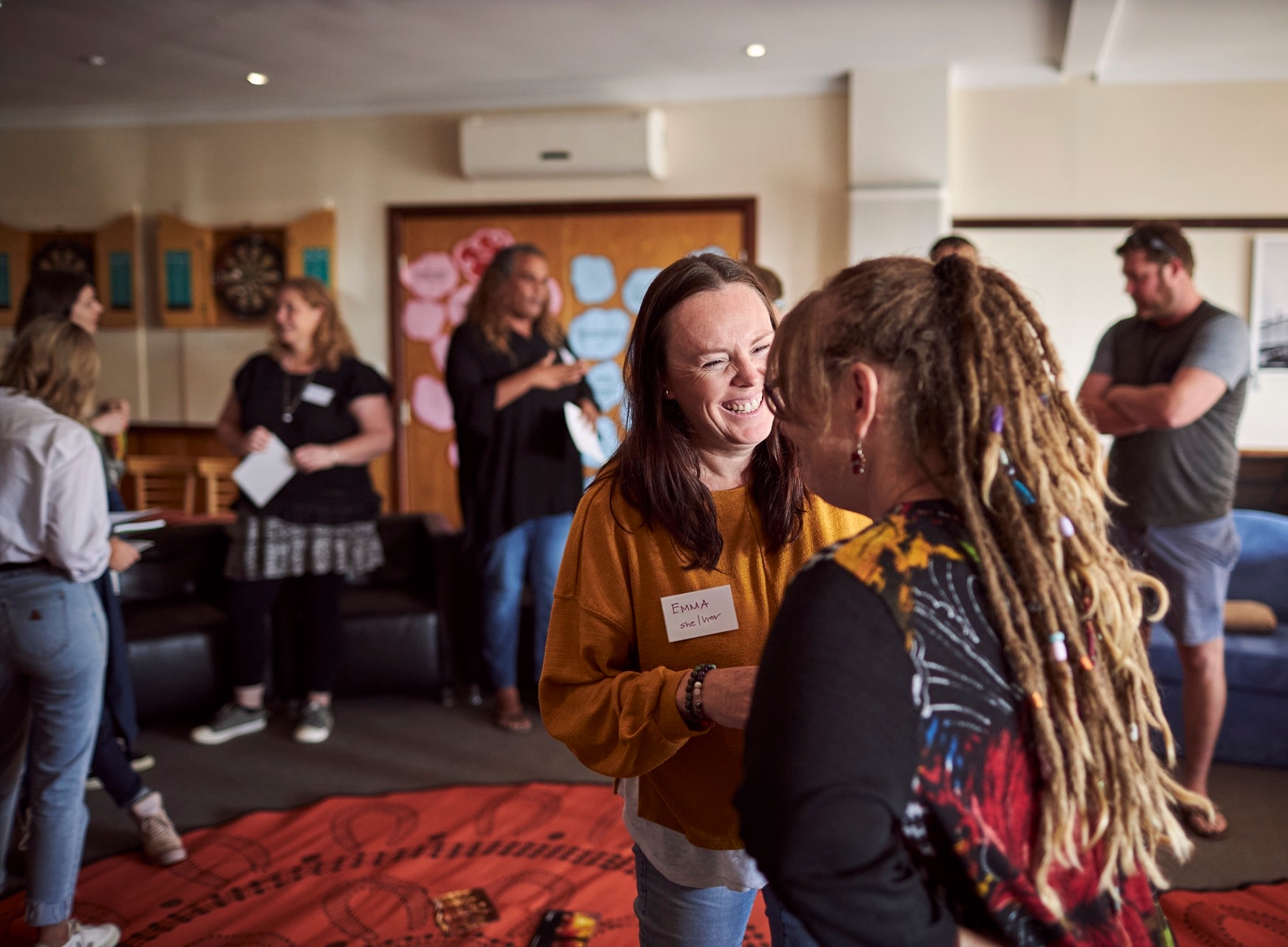
Imagine you’re a parent and your child has just been diagnosed with a chronic illness. While you understand the steps you need to take according to the health system, it’s not until you connect with another parent in the same position that you find a way to really live with this life change.
Welcome to the simple yet powerful world of peer-to-peer support, where support comes from someone who has successfully navigated a similar life experience.
What is peer-to-peer support?
Peer-to-peer support takes many different forms but always at its core are relationships of ‘trust based on shared lived experience’. In this paper we use ‘peer’ to describe people seeking support and ‘peer mentors’ to describe those providing it. In different settings, peer mentors go by different names, including peer worker, peer supporter and peer educator.
What kind of help does peer-to-peer provide?
Peer-to-peer support usually provides a mixture of three kinds of help, albeit in different quantities, according to the need:
Support to implement and to maintain effective strategies to deal with a specific situation e.g. strategies to take your HIV drugs, deal with a mental health condition, stay sober, or connect to culture.
Support to deal with the emotional complexity of the situation you’re in and pursue personal growth and development e.g. being there when someone needs to talk, having high expectations and celebrating wins.
Support to navigate community and services, and practical support to make connections to new people, groups and services