
We’re TACSI, Australia’s national centre for social innovation
A multidisciplinary team working hands-on to tackle Australia’s toughest social challenges.
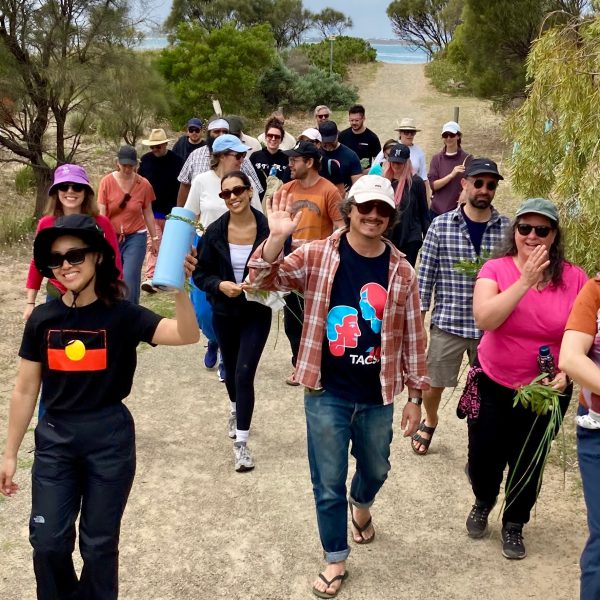
A team built for 21st-century challenges
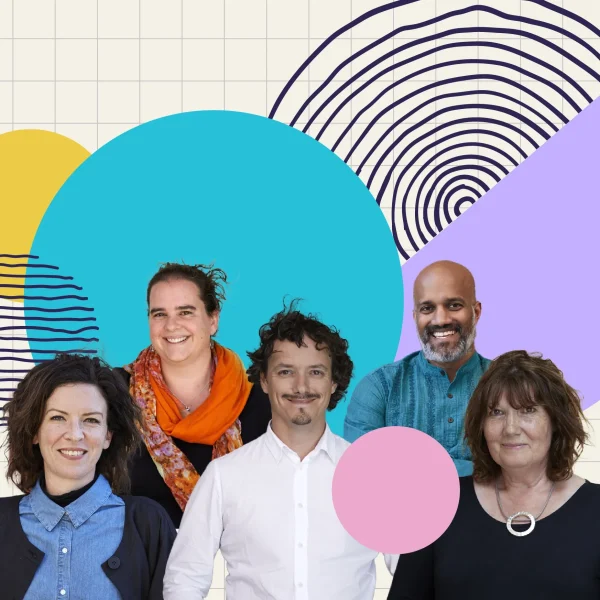
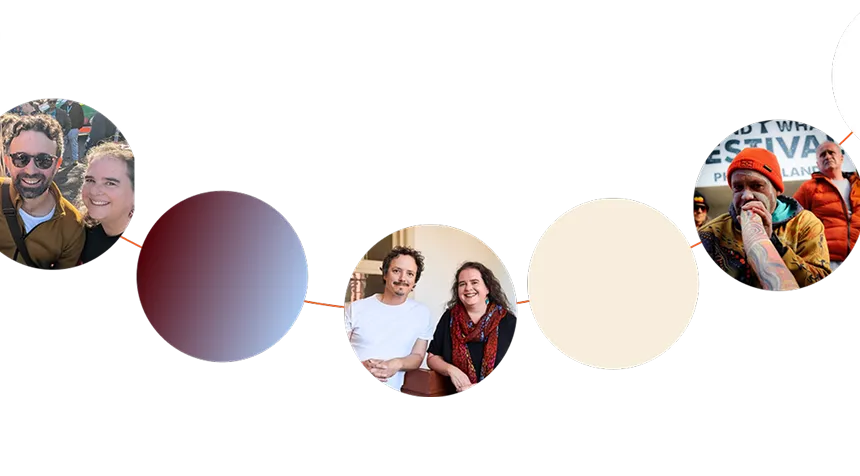
We’re a team of multidisciplinary individuals bringing together a wealth of experience across sectors to help develop and activate better responses to Australia’s toughest social challenges.
Our experience is hands-on. We don’t just talk about social innovation, we do it. For 16 years, we have partnered with government at all levels, philanthropy, PHNs, service providers and communities to develop social innovation practices that promote imagination, systemic awareness, experimentation, and bring lived-expertise to the table.
In that time we’ve supported thousands of people and organisations, and seen firsthand how social innovation can shift systems, unlock potential, and create lasting change.

Our
national
presence
TACSI is an independent, not-for-profit organisation and a registered charity (ABN: 90 528 422 430). With teams on Gadigal Lands in Sydney, Wurrundjeri Lands in Melbourne, and Kaurna Lands in Adelaide, we operate across the continent to strengthen Australia's collective capability.
Founded to find a better way
In 2009, TACSI was founded as a response to an urgent need: new ways of thinking about the persistent, systemic challenges Australians were facing. Launched as a result of Geoff Mulgan’s time in the Adelaide ‘Thinker in Residence,’ we were established as a social enterprise designed to orchestrate practical innovation.
Our history includes:
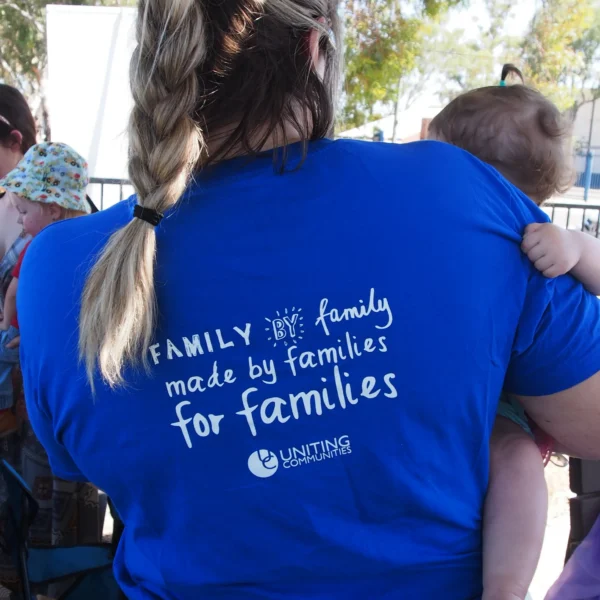
- Developing, incubating and scaling award winning and high impact service models including Family by Family, Virtual Village, Sticking Together and RRR.
- Hosting national festivals and speaker tours to seed social innovation across sectors.
- The co-design of over 15 state and commonwealth policies in areas including ageing, housing, Aboriginal justice, mental health and disability.
- The reshaping of at least $75m of philanthropic investments to focus on social innovation.
- Adapting world-leading international models for the unique Australian context.
- The development and sharing of new knowledge, including the first Australia specific papers, learning experiences and resources on philanthropy and systems change, peer-to-peer, iompact networks and social R&D.
Why we exist
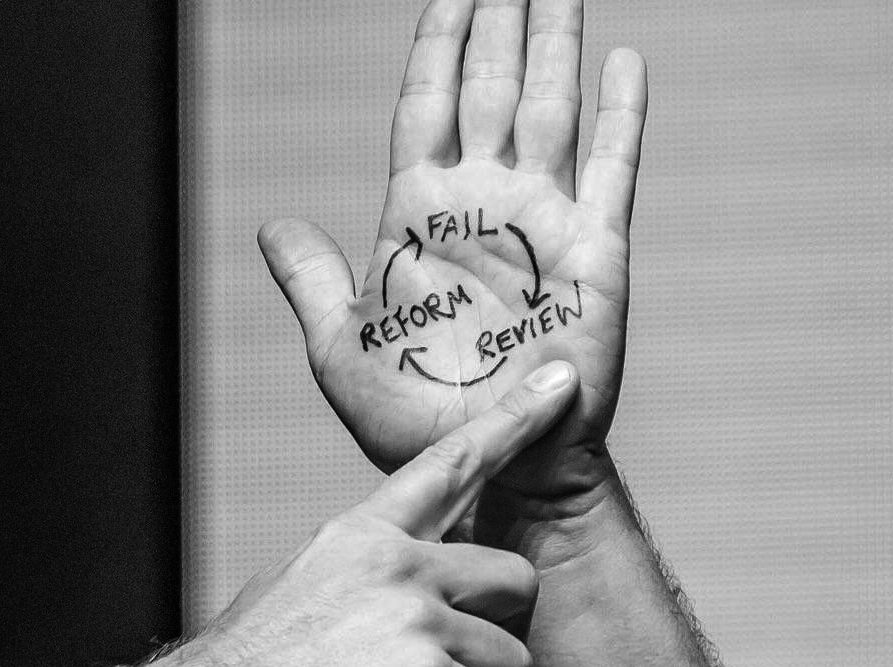
Too many of Australia’s public systems are stuck in a loops of incremental reform that fail to move the needle on persistent challenges like the housing crisis, social fragmentation, and mental health. What’s more, the challenges of our time all demand we rethink how we live and how our public systems operate
We exist to help Australia move beyond “business as usual’. We believe that navigating the complexities of the 21st century requires imagination, experimentation, insight from the margins and a deep understanding of human experience.
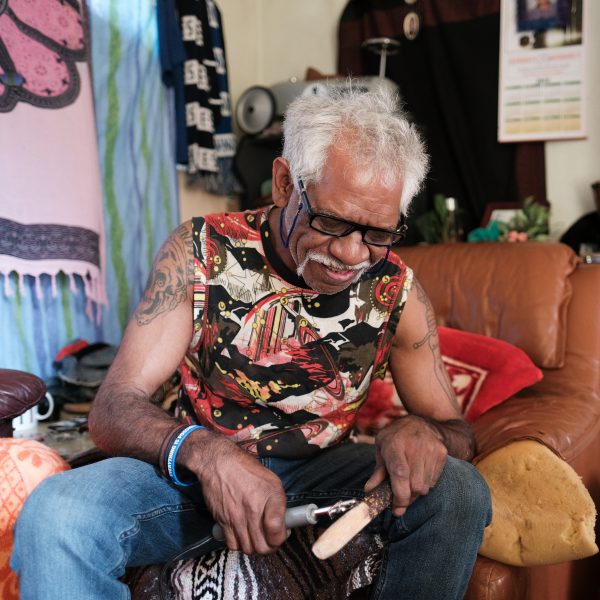
Our social innovation practices
Social innovation is a developing field that builds systemic awareness and unlocks creativity to give people real influence over their future. Our work spans:
An approach to innovation that brings together lived expertise with other kinds of expertise e.g. (research, practice) in a structured process to design practice, services, policies and systems. Co-design is an alternative to professional-only innovation approaches — especially when working with communities who experience marginalisation.
Peer-to-peer models create change by connecting people who have gone through tough times with people currently in tough times who want to do the same. Peer-to-peer is alternative and a complement to professional service delivery across sectors and in areas including prevention, early intervention and recovery.
A practice for creating change in complex systems through participatory processes that include diverse stakeholders, especially those with lived experience. Systems innovation is particularly relevant for government policy, service system reform, and long-term philanthropic strategy. It is an alternative to top-down or basic consultation approaches.
An approach to building the capabilities and infrastructure for communities to lead their own change that typically involves strengthening skills in innovation, social change, imagination, and participatory granting. Relevant to community-led, place-based initiatives where communities play a major role in outcomes. An alternative or complement to a collective impact approach.
Practices that catalyse and support creative, practical action toward reconciliation, self-determination, and change with First Nations people. Relevant to settlers on colonised lands as a complement to cultural awareness training and understanding of privilege.
An approach to organising diverse stakeholders to drive systemic change that emphasises changemaker wellbeing, relationships, systems awareness, and independent aligned action. Relevant for enabling change in complex systems, particularly where the ‘system’ producing an outcome lacks formal structure and spans traditional sectors. An alternative or complement to top-down systems-change approaches.
An emerging field focused on creating R&D systems that advance social outcomes. These combine the best of scientific and industry R&D with participatory and deliberative processes. Particularly relevant to designing systems for commissioning and funding innovation. An alternative to laissez-faire or bespoke approaches to innovation.
An emerging practice focused on catalysing action toward more equitable futures that emphasises public participation, unlikely connections, imagination, diverse knowledges, charismatic demonstrations and influencing resources. An alternative to professional-only futuring processes when developing long-term strategy.
A growing global movement of Indigenous practitioners applying Indigenous ways of knowing and being to address complex systemic challenges for all people. Relevant across complex problems and design activities. A complement and alternative to dominant-culture-only innovation.
A practice for working with communities to identify surprisingly effective behaviours, and then increase the take-up of those behaviours. Developed in an international development context but relevant to a broad range of settings including mainstream service-systems.
An approach to shared decision making that uses randomly selected representative groups of the public (mini-publics) to deliberate and provide direction on highly contested issues. Relevant for decision making in highly contested areas, e.g. where political parties can’t or don’t want to make a decision.
Who we work with
Complex challenges can’t be solved alone. Over 16 years, we’ve partnered with hundreds of government departments, PHNs, philanthropic foundations, and universities to drive change.













Back our big ideas
We’re seeking funding for a set of initiatives, each designed to strengthen Australia’s collective capability to tackle our most persistent social challenges.