
What is The Virtual Village?
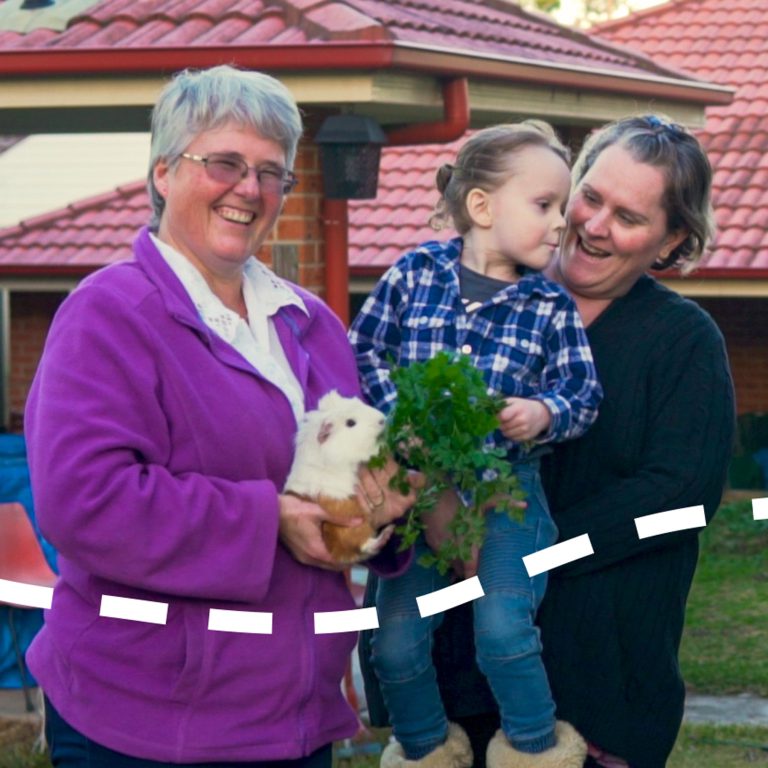
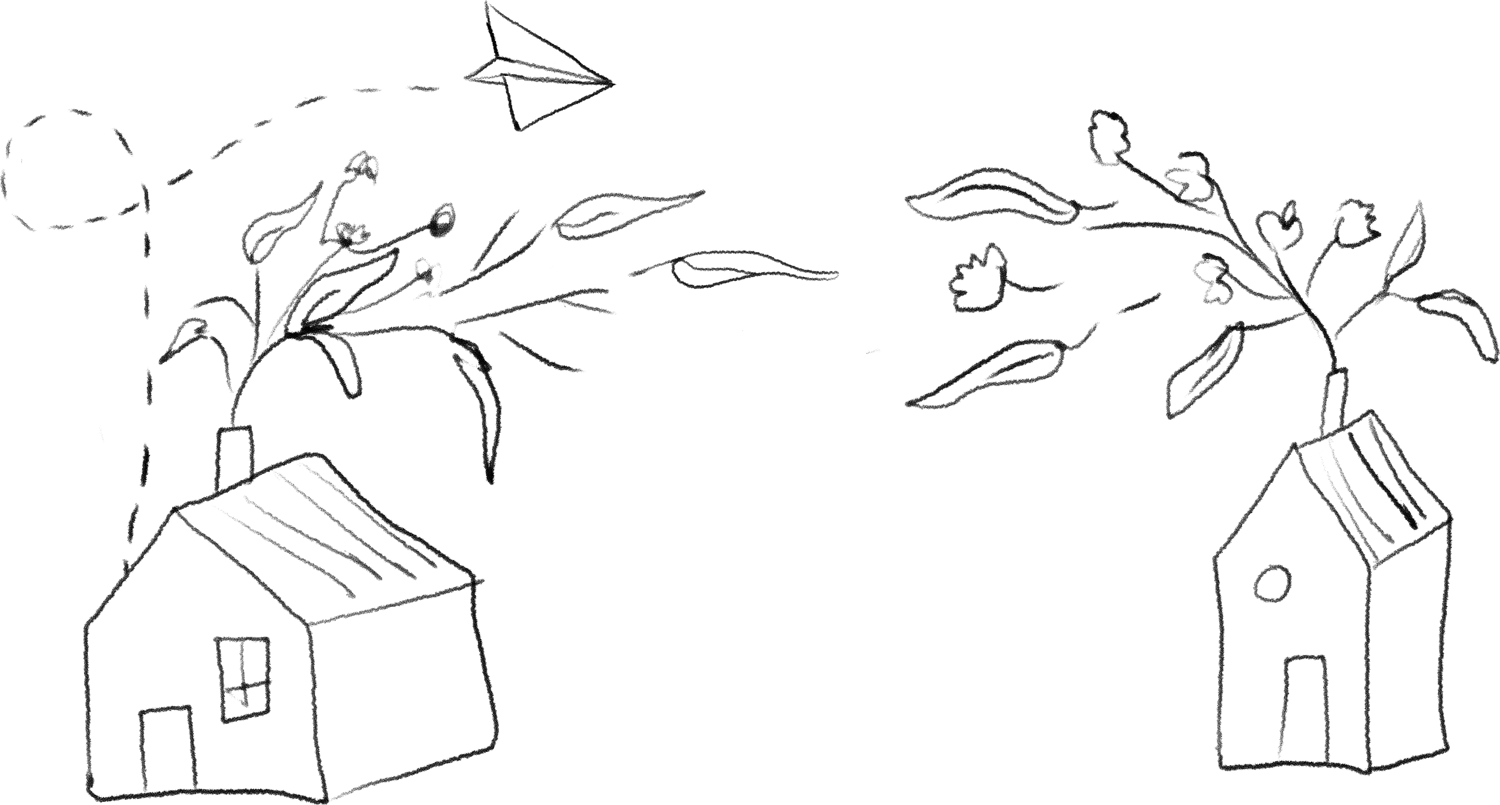
The Virtual Village gives rural and remote families access to peer support from a family who lives in another location. This helps families who want support from a peer rather than a practitioner, but also want to keep their story confidential without concern of being judged by others in their community.
The Virtual Villager (peer family support volunteer) and their family have experienced similar stress, isolation and family crisis, but have managed to come out the other side and now have the capacity and insight to help others do the same.
The Virtual Village is a live, family support services prototype co-designed with families in collaboration with TACSI’s peer-to-peer team, Uniting Communities, families from across SA rural communities from Whyalla to the Limestone Coast, and the South Australian Department of Human Services. It’s informed by our over 10 years of experience and learning from co-designing, adapting and delivering various kinds of People Powered responses across Australia, New Zealand and the UK.
The idea for The Virtual Village came from the need to support families who would be further isolated as a result of Covid-19. Now that restrictions have disappeared, we are hearing from families and referrers that The Virtual Village still has a place in society post Covid-19, especially for the many regional families who continue to experience physical and social isolation pre-dating the pandemic.
By helping us connect up families who live over 500km apart, we also know that the model can be a cost effective approach to supporting regional and remote families in crisis via online connectivity. System savings include travel, site rentals, and professional time, As well as reducing the barriers of cost that may impact individuals trying to access flexible and responsive support services.
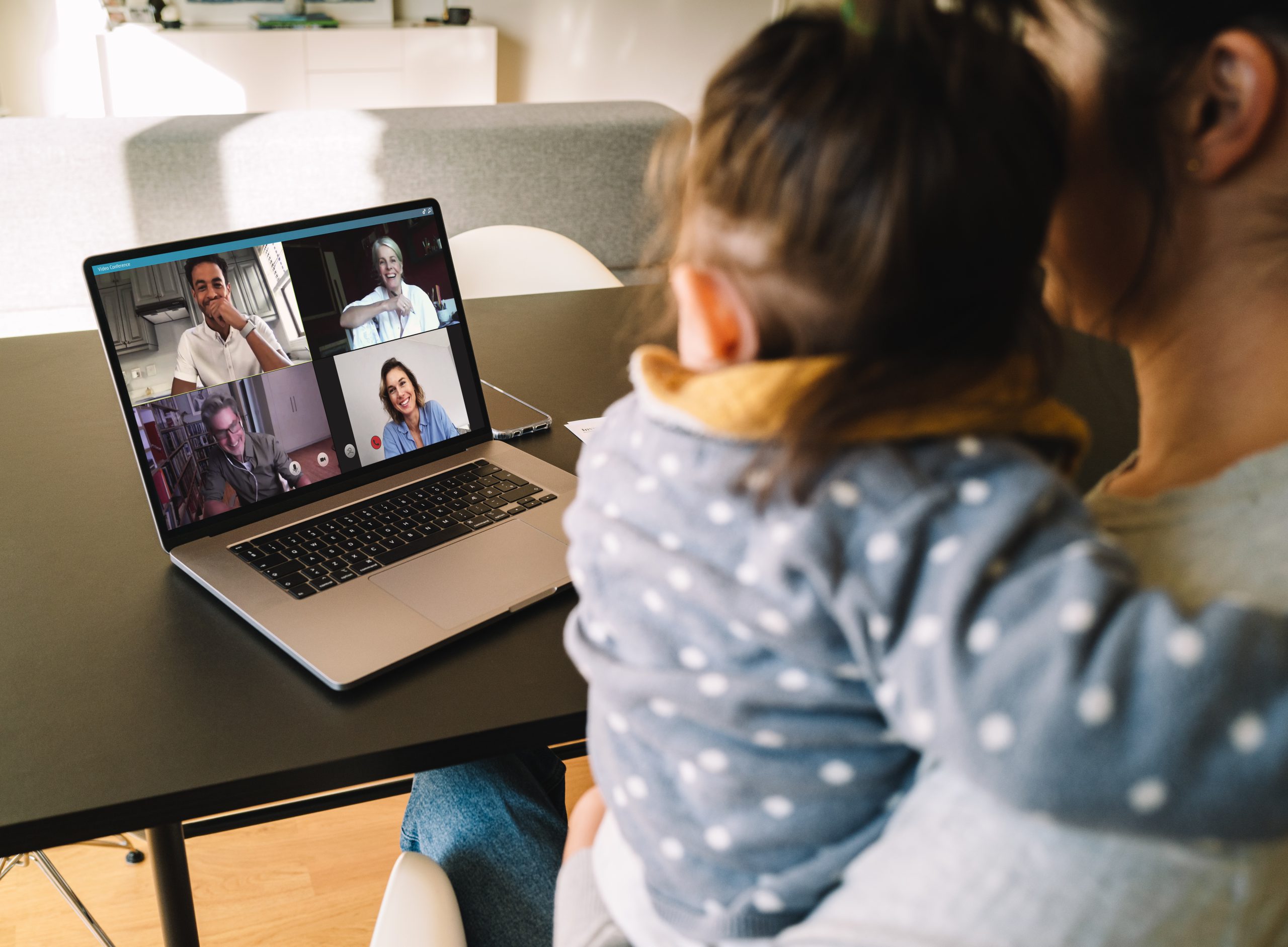
The Virtual Village is delivered through a number of different digital and telecommunication platforms, which are tailored to the specific needs of families.
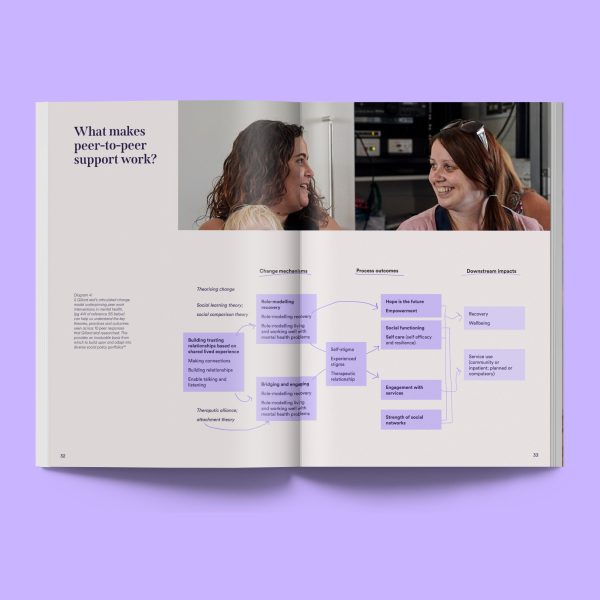
Families and individuals connect for an average of three hours weekly with a Virtual Village Volunteer, who they choose via the platform of their choice. Village Volunteers (trained peer support volunteers) are coached and mentored in a peer group and in one-to-one sessions weekly with Village Coaches (the trained professional), where they focus on strategies to support families who are seeking support from The Virtual Village.
Also, those joining the Village are given opportunities to participate in social settings with other participants (a space free of professionals) to build connections, and socialise with others.
The aim of The Virtual Village is to:
- Increase wellbeing and safety
- Connect families and individuals into the right services at the right time
- Support the development of a greater network of support services, building social capital and reducing social isolation and loneliness
- Help parents raise children who are enabled to thrive
- Build the capability of Village Volunteers to safely access their lived experience to support others through a similar situation
- Decrease toxic stress in the household
- Improve psycho-social health

The Virtual Village is an alternative way to connect families and individuals who are isolated, share stories and create virtual environments where people can work towards their hopes and aspirations without feeling alone. Research indicates families and individuals who are isolated and have lived with years of toxic stress and social isolation are experiencing the poorest outcomes including:
- Physical health issues
- Poor mental health
- low or no social relationships
- higher chances of experiencing Domestic Violence and/or Drug and Alcohol Misuse
The Virtual Village Volunteers use their own stories and experiences of living through toxic stress to form true relationships and trust while inspiring the possibility of change.
Our Village Coaches (the trained professionals who support Village Volunteers), train, teach, mentor, inspire and motivate families along the way.
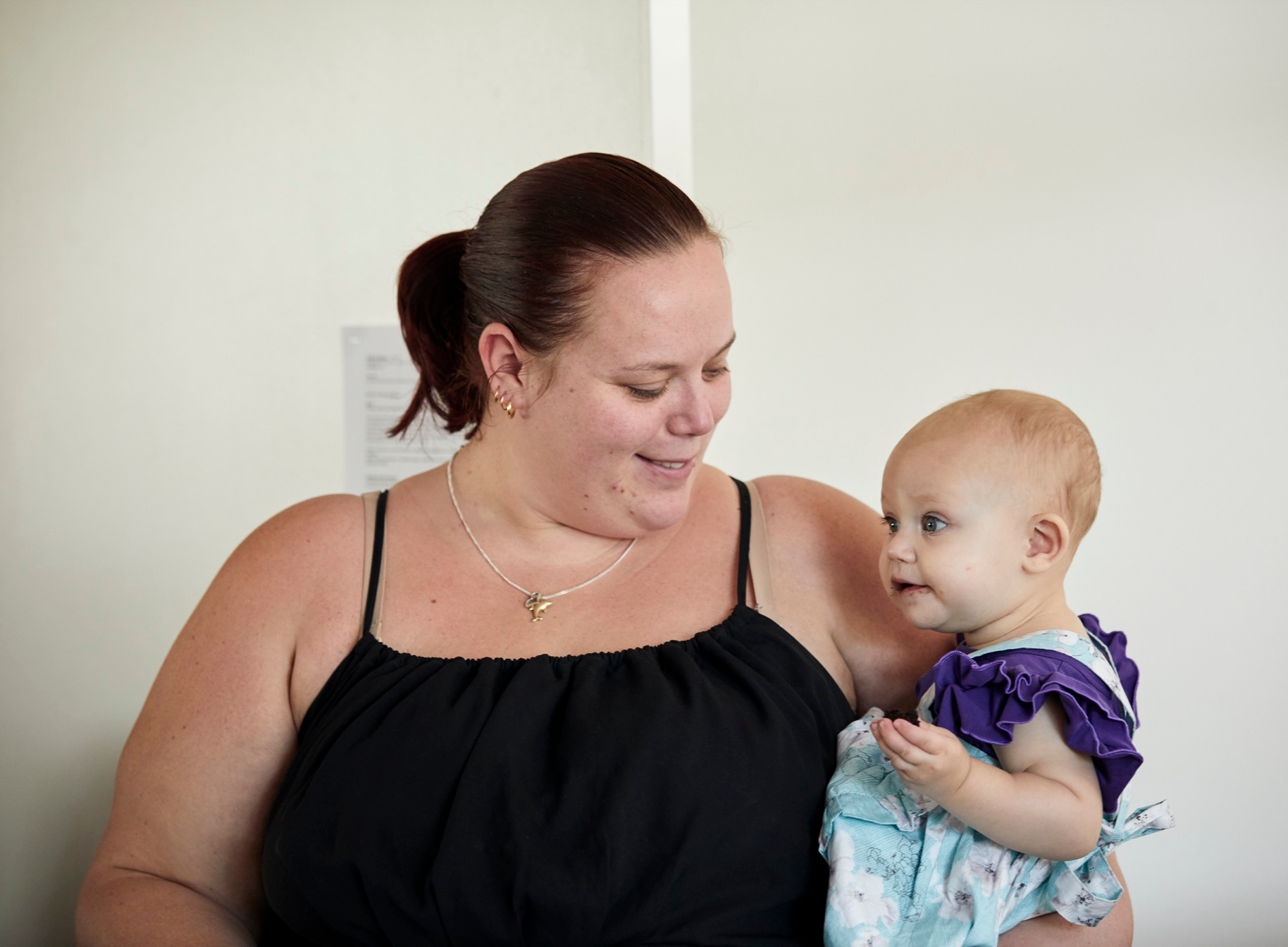

Jenny’s story
Jenny and her children were experiencing family violence and communication breakdown, and decided to work on the emotional regulation of the family. They participated in virtual activities with their connection, including pizza making nights and the ANZAC dawn service.
These positive family experiences have helped Jenny to see her kids smile, and her family now have opportunities to experience the joy of family life, and be able to see the positives in each other and build on this.
Jenny reports back on her and her family’s engagement in the prototype saying, “…before the connection I was stressed… [there was] lots of conflict in the house. [Just 5 weeks in] there has been less verbal abuse, less family violence, less stress….”
By helping to remove some of the toxic stress in families and replacing this with experiences of joy and capability building, we are seeing families rewrite their family story.
What we’ve learnt
- Families and individuals in crisis want support from a peer to see them through their crisis (crisis in this case includes active domestic and family violence and alcohol and drug misuse)
- All families (both those seeking support and those volunteering) engaging in the prototype wanted to come out the other side of crisis stronger, with increased confidence, and thriving – they want to be more than just resilient
- The Virtual Village provides a different kind of Intensive family support, meeting families on the platforms that work for them at a time and in a place that works for them
- The prototype presented a cost effective approach to supporting families across regional, rural and remote locations
- Connecting families to volunteers who live in a different town or region offers confidentiality of the family’s story, which many families found invaluable
- The digital nature of The Virtual Village is proving to be a great way to help families and individuals anxious to leave their home a valuable first step in accessing external supports and build the confidence to leave the home in the future
- Families and referrers are saying that the option of peer support is an invaluable addition to the re-preservation family support ecosystem and would value its availability beyond Covid-19 protective measures

First Nations First
The Virtual Village operates across a broad range of Aboriginal nations. Cultural safety is a priority of this work, and we actively build relationships within each individual community in order to create a trusting network of relationships and to make sure that the network is educated on the Cultural authority of Aboriginal and Torres Strait Islander peoples and their diversity across these regions.
Virtual Village Volunteers receive cultural training that seeks to help volunteers to understand their role as allies. The training includes Aboriginal and Torres Strait Islander timeline history, a deeper understanding of intergenerational trauma and its impact on families and communities, and trauma-informed approaches to support.
Aboriginal and Torres Strait Islander volunteers are provided with specific cultural coaching support as well as access to peers from across the network.
Families seeking support from the Village who identify as Aboriginal or Torres Strait are provided with choices: who they connect with, which coach will support them, and if they would like culturally specific support.