
Moving into the inner circles
Reconciliation is deeper than an annual celebration. That truth sat at the heart of the 2026 National Reconciliation Week under the call for “All In”, and echoed right through NAIDOC Week as communities celebrated 50 years of Deadly, honouring the Elders, artists, and organisers who built the movement.
Across Our Town, the 11-year, place-based mental health initiative supporting community-determined and preventative responses to mental health and wellbeing, we have been reflecting on how to move past surface-level actions and step into active, meaningful allyship with First Nations peoples. This current chapter isn’t starting from scratch; it has deep, living roots.
Rooted in relationship and respect
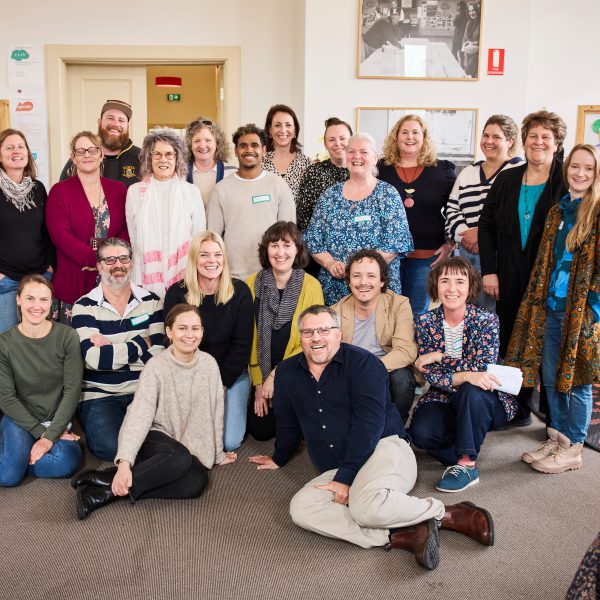
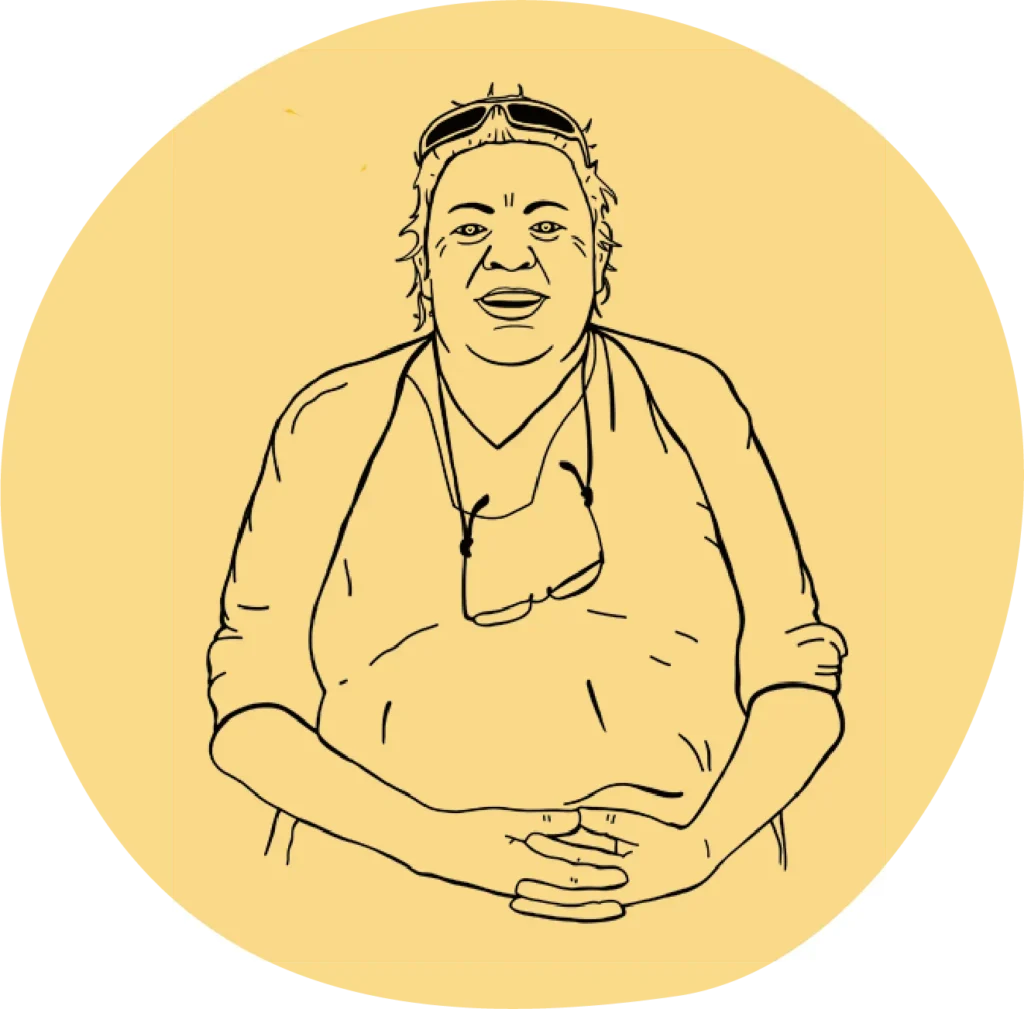
At the 2025 Our Town Gathering, our network paused to honour Ancestor Aunty Vickey Charles – former Aunty in residence at TACSI – whose wisdom continues to guide us. For years, Ancestor Aunty Vickey guided Our Town with a simple yet profound truth: true change always comes down to “relationships, relationships, relationships”.
During that same Gathering in Ityamai-itpina / King Rodney Park, Jade Kartanya Brook, proud Kaurna and Nharangga woman with ties to Ngarrindjeri and Barkindji Country, stood beneath a giant grandmother gum tree and opened the Gathering with a Welcome to Country. She invited everyone to pause, place a hand on their belly (mi-wi, or spirit), take a breath, and deeply listen to Country.
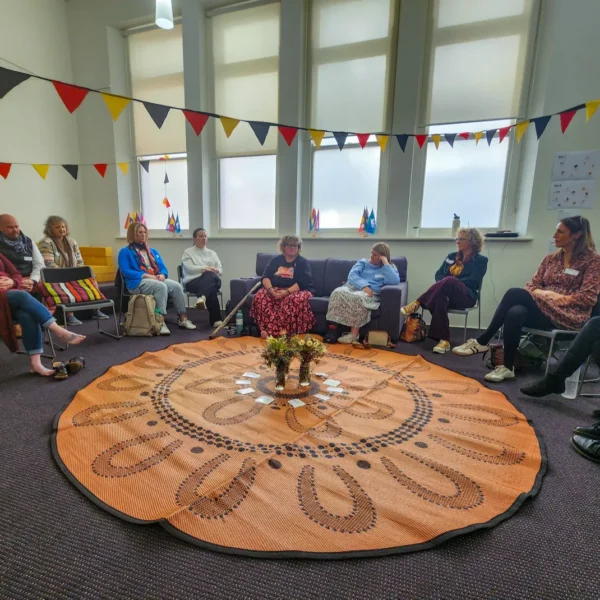
Jade introduced a guiding lesson from an Aunty about deepening knowledge: through concentric deepening circles of learning. On the outer circles sit shallower knowledge and acts of allyship, like reading an Acknowledgement of Country off a script. Further inside lie the deeper, richer layers of active cultural learning, authentic connection and real accountability.
What does stepping into the inner circles look like?
Moving toward the centre of those circles requires changing how we show up. Jade shared practical wisdom on what that looks like in everyday community work:
1. Deepening cultural capability
Growing our cultural capability can start with how we acknowledge Country. Jade encouraged us to “Acknowledge with heart” to grow our understanding and connection with Country and Culture, allowing us to speak authentically. Our Town has become a safe space to practice things like acknowledgements from the heart that builds our cultural confidence.
2. The “3-Cuppa Rule”
True allyship prioritises building deep, long-term relationships over time, nurturing the ground before we attempt to do things together.

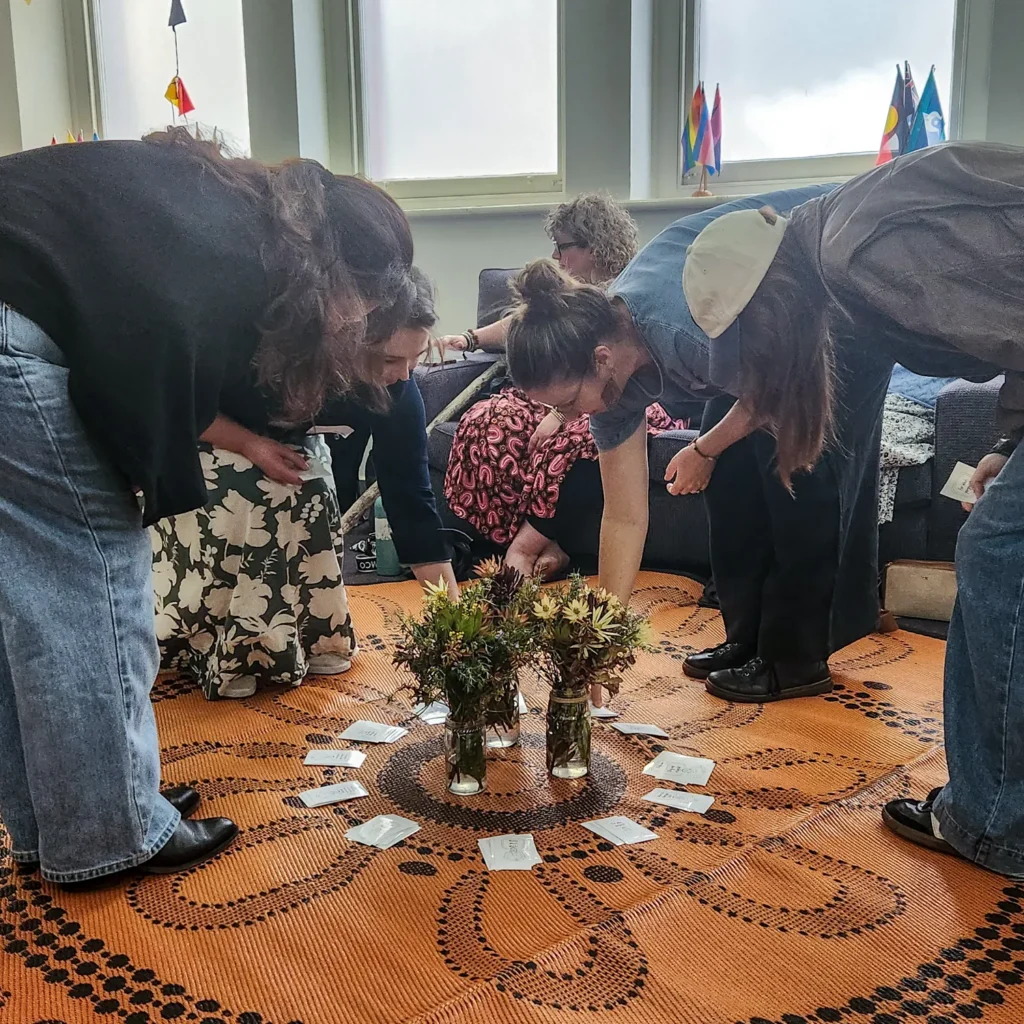
3. Finding “The story under the story”
Jade shared a story about her relationship with her Aboriginal identity. Having experienced discrimination in her life she stopped telling people she was Aboriginal. In time she reconnected with Culture (still living and breathing) and spoke about the way that challenging story deeply shapes her community work.
This resonated with the ongoing yarns in Our Town about the negative impact that stereotypes have in regional communities, and the work of finding “the story under the story” or encouraging community members and town teams to share their lived experience stories around mental health and value them as resources that can influence change. Turning to Culture, we are reflecting on how Our Town can create spaces for both Aboriginal and non-Aboriginal people to nurture healthy relationships with their identity and share honest stories about allyship.
Practical footprints across Our Town towns
Local Our Town teams across South Australia are already bringing these principles to life in grounded, everyday ways. For example:
- Berri: Building on established local relationships, the Berri team has supported and partnered with community-led projects like Nunga Driving and the school reconciliation garden. Read more here.
- Cummins: Inspired by Jade’s guidance, local leaders have engaged in regional cultural tourism gatherings on Barngarla Country and are finding thoughtful ways to weave Nauo and Barngarla stories into local storytelling initiatives like Humans of Cummins. Read more here.
- Kimba: Moving Reconciliation Week beyond a single date on the calendar, Kimba turned cultural learning into an annual kindy exchange. Children gather to decorate Aboriginal flag biscuits, sing songs focused on kindness, and share hands-on cultural activities. Read more here.
As a network, we are learning that allyship and reconciliation play vital roles in the mental health and wellbeing of regional communities. Over the past few years, we have taken deliberate steps to nurture this across our towns including:
- Creating a ‘Cultural Hub’ – a safe space for Our Towners to share the steps they’re taking, learn from each other and gain cultural guidance from the late Aunty Vickey
- Asking First Nations leaders to open important gatherings
- Supporting First Nations projects in community
- Learning about First Nations Social and Emotional Wellbeing Frameworks
- Funding community members to be trained in Aboriginal and Torres Strait Islander Mental Health First Aid training
- Embedding First Nations mental health practices into the work of local teams
Unpacking the realities of regional allyship
Stepping deeper into allyship isn’t without friction, and Our Town teams have been open about the complex challenges that surface along the way:
Facing racism
We have experienced the different ways racism continues to show up in regional communities, from casual expressions like harmful stereotyping and hurtful comments on feedback forms, to broader structural pushback against cultural recognition and inclusion. As allies, Our Town teams have grappled with what it truly means to challenge racism in these moments.
Navigating complex cultural authority
We have reflected on situations where cultural authority in town wasn’t immediately clear – such as when there are no identified Traditional Owners in town, a lack of documented information, family conflicts, contested boundaries, or people not identifying as Aboriginal due to historical racism.
Sometimes this makes it hard to know where to start, or signals that we need to step back or take extra time. We are learning that navigating this requires a willingness to sit with complexity – connecting broadly across families, seeking guidance from First Nations leaders outside our immediate town, or working alongside local champions like school Aboriginal Liaison Officers.
Thinking in “deep time”
Given the complexities of building genuine allyship in regional areas, it isn’t unusual to worry about not meeting our own timelines or commitments. But an Our Town team member reminded us that reconciliation doesn’t happen at the pace of standard funding cycles or short-term KPIs and Our Town isn’t bound by those rigid conditions. As they highlighted through an analogy:
Knowing when to step back (or sideways)
We are increasingly understanding that direct engagement may not always be possible or safe (and could even cause harm or increase division) when deep local conflicts or Native Title tensions exist. We are learning that true allyship sometimes means stepping back.
Reassurance from leaders like Ancestor Aunty Vickey reminded our teams that stepping back isn’t giving up. Instead, it allows allies to refocus their energy on building cultural awareness across the broader community, particularly with young people in schools, while holding space for long-term healing.
Furthering reconciliation and allyship
As this journey unfolds across regions – from Kangaroo Island shifting community conversations from suspicion to respectful curiosity, to Berri exploring Aboriginal Connector roles to embed First Nations leadership within their team – it is clear we are committed to learning our way into the inner circles of allyship by prioritising relationships and committing to generational time.
There is a central question that guides our collective learning: How does Our Town create culturally safe spaces for First Nations Peoples to be involved – genuinely safe, long-term spaces for voices, wisdom, and decision-making to help shape the future of wellbeing in regional towns and communities?
To follow the progress of the initiative and towns, subscribe to the TACSI newsletter below or get in touch with the TACSI Our Town team.
Subscribe to our Newletter
"*" indicates required fields