
Our experience
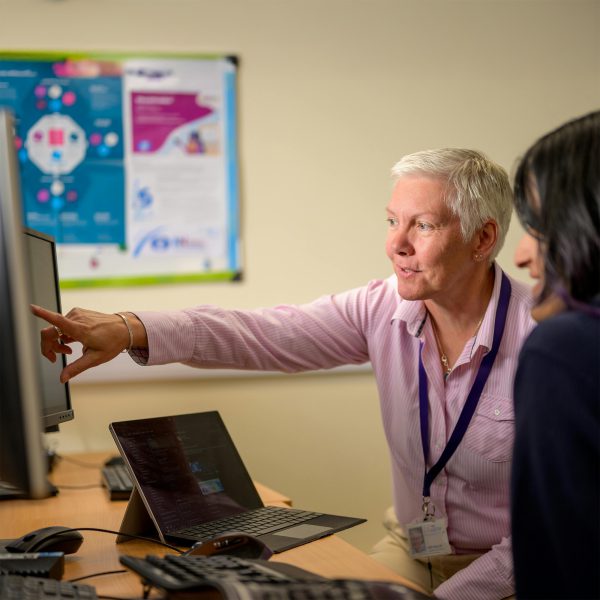
As Primary Health Networks (PHNs) embrace their remit to work with local communities and steward local systems, we’re proud to partner with them to bring social innovation practices to the commissioning cycle.
Our experience includes working with PHNs to:
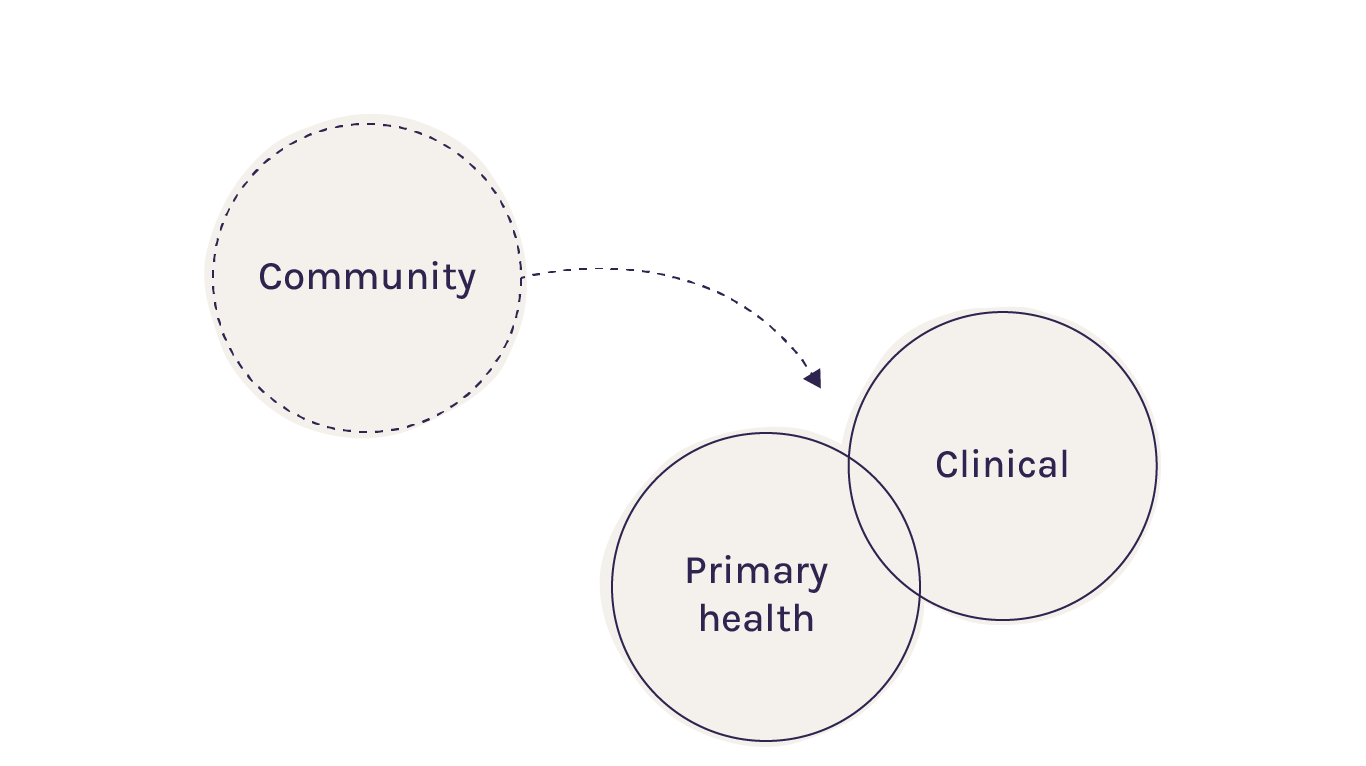
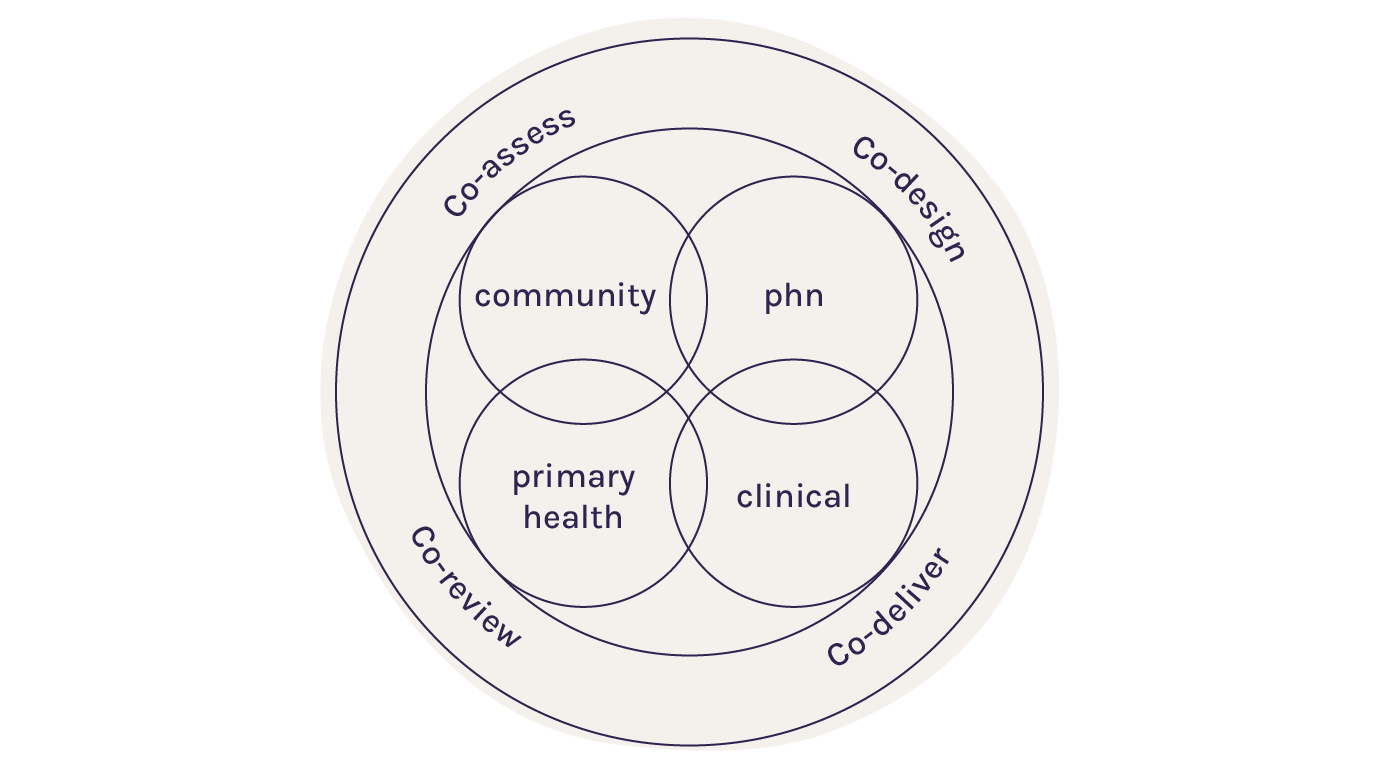
- Facilitate the development of integrated health care models to bring together community, clinical, and primary health perspectives in co-design, informed by the needs and aspirations of priority populations.
- Collaboratively develop service models,commissioning policies and practices to meet diverse needs.
- Support the take-up of peer-to-peer models to support transitions between services and activate latent community capability, including in domestic and family violence, caring, addiction and bereavement.
- Build capabilities within PHNs and local systems to embrace co-production at every stage of the commissioning cycle.
Across this work we draw on:
- A strengths-based, trauma-responsive, culturally-sensitive approach to co-design appropriate for engaging priority populations.
- A structured approach to innovation, including prototyping, as a way to accelerate development of innovation whilst mitigating risks.
- Tools and approaches that help us take a systemic perspective.
- Our extensive experience of developing and implementing the RRR (Recognise Respond Refer) model with Brisbane South, Adelaide PHN, Country SA PHN & Primary Health Tasmania as well as working with a group of an additional 9 PHNs to support the further scale.
- A range of reference points for service design, system design and organisational models that come from outside of healthcare.
- Fifteen years of social innovation experience working with marginalised populations.

Four ways we’re partnering with PHNs
1. Building integrated health care models informed by the needs of priority populations
We’ve supported PHNs to bring together clinical, primary care and community partners in new and different ways to co-design integrated health care models. These are informed by strengths-based, trauma-responsive, culturally-sensitive research into the needs of priority populations.
Our partnerships include:
- Alongside Brisbane South PHN, supporting the integration of the RRR (Recognise Respond Refer) model through work with PHNs, primary health, the FDSV workforce, people with lived experience and other intersectional sectors.
- Alongside Hunter New England & Central Coast PHN, piloting the Supporting FDSV Recovery and Healing pilot across two locations in regional NSW working with a collective of Family Domestic and Sexual Violence (FDSV) and Mental Health services.
- Alongside Brisbane South PHN, adapting the Supporting FDSV Recovery and Healing pilot with a focus on cultural safety and support for children.
- Alongside Brisbane South PHN, shaping recommendations for integrated support across mental health and alcohol and other drug services with a PHN, local community, and people with lived/living experience.
- Alongside Brisbane South PHN, developing a new philosophy of care and service model to better connect mental health, alcohol and other drugs and suicide prevention services, working with a PHN, local community members and people with lived/living experience.
- Alongside Darling Downs & West Moreton PHN developing an integrated service hub approach to providing place-based mental health, suicide prevention, alcohol and other drugs experiences with a PHN, local community members and people with lived experience, all underpinned by a philosophy of care that cares for the whole person, whole community and whole place.
2. Designing and developing service models, commission policies and practices to meet diverse needs
We’ve supported PHNs to intentionally bring together community, clinical and primary health partners to collaboratively develop new commissioning models that meet diverse needs, overcome inequitable health care outcomes and scale across systems. We pay special attention to enabling organisations and sectors with differing values, cultures and philosophies to align and lead together. The key to success is creating time to understand each other’s strengths, roles and contributions.
Our partnerships have included:
- Co-designing the initial Recognise, Respond and Refer (RRR) model with Brisbane South PHN and victim/survivors of FDV, General Practitioners(GPs) and FDSV specialists. This model has now been running in Brisbane South for seven years and has been taken up by an additional 11 PHNs.
- Designing and adapting the Local Link function of the RRR model alongside Adelaide PHN and Country SA PHN in preparation to commission and pilot, in collaboration with LELAN, NINI and Purple Orange.
- Developing a commissioning model alongside Darling Downs & West Moreton PHN that enables integrated delivery of mental health, suicide prevention and alcohol and other drugs, to overcome the disparities of the metro and regional divide with local community members and services.
3. Supporting the development and implementation of peer-to-peer service models
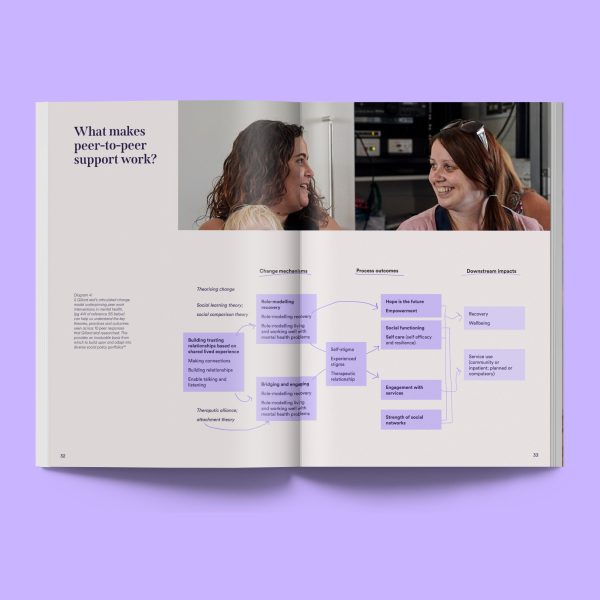
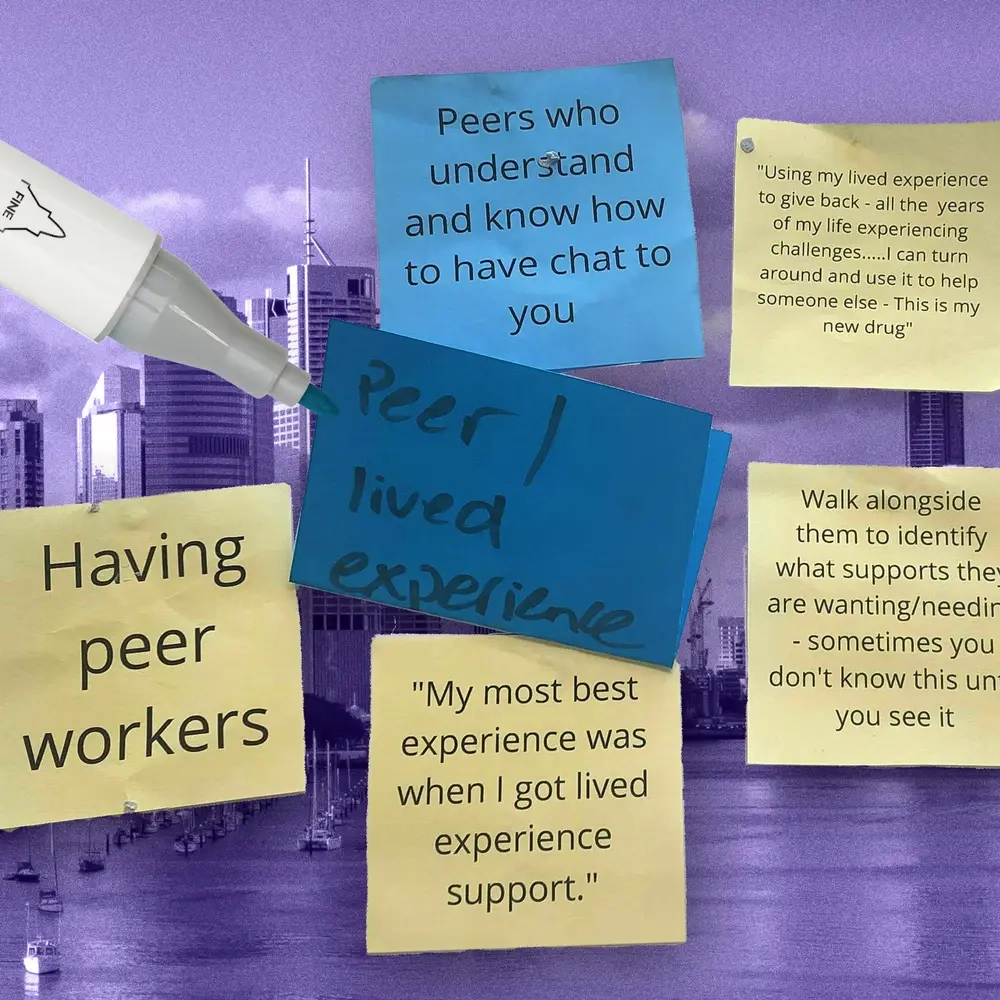
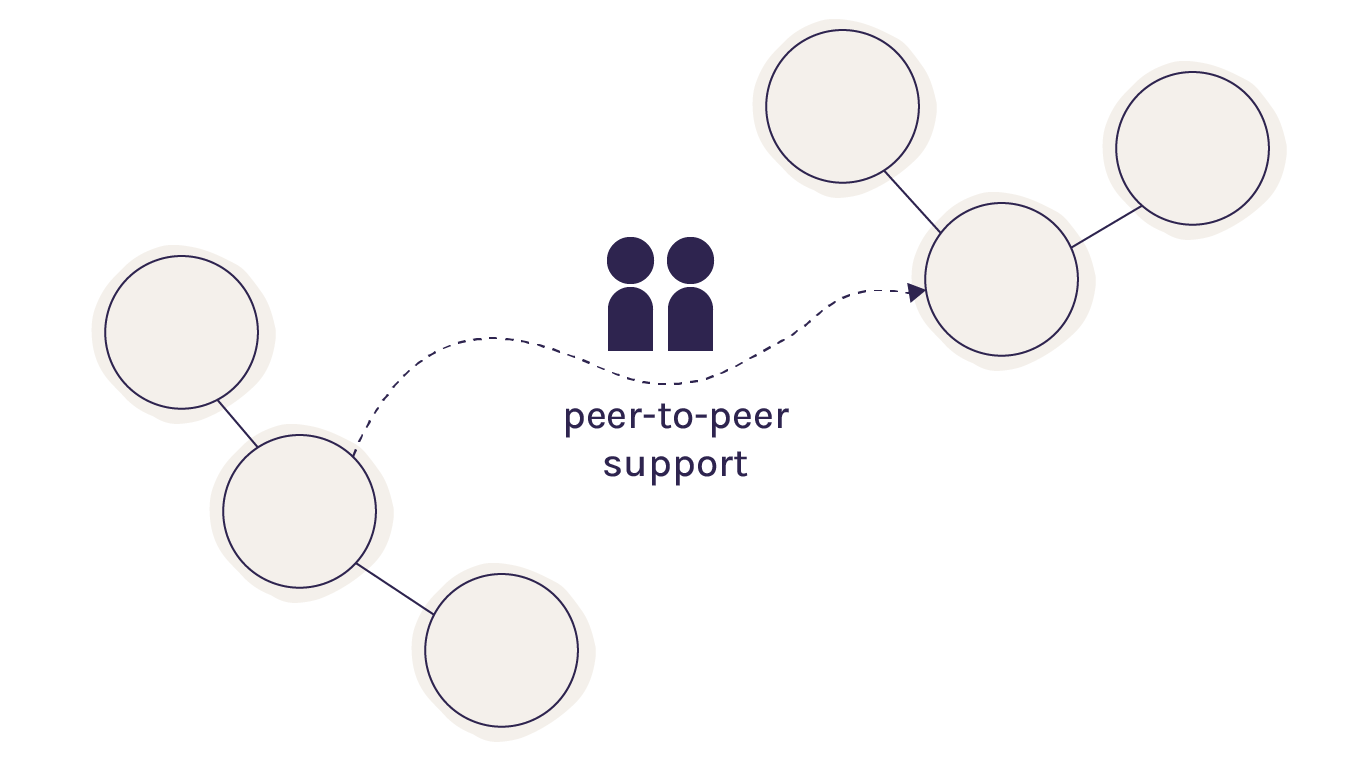
We’ve supported PHNs to pilot, develop and adapt peer-to-peer models for local health care systems. Peer-to-peer models support community members to support community members and are particularly effective in supporting navigation between services, and life transitions. Our experience includes developing and supporting the implementation of peer-to-peer models to address domestic and family violence, caring, addiction and bereavement.
Our partnerships have included:
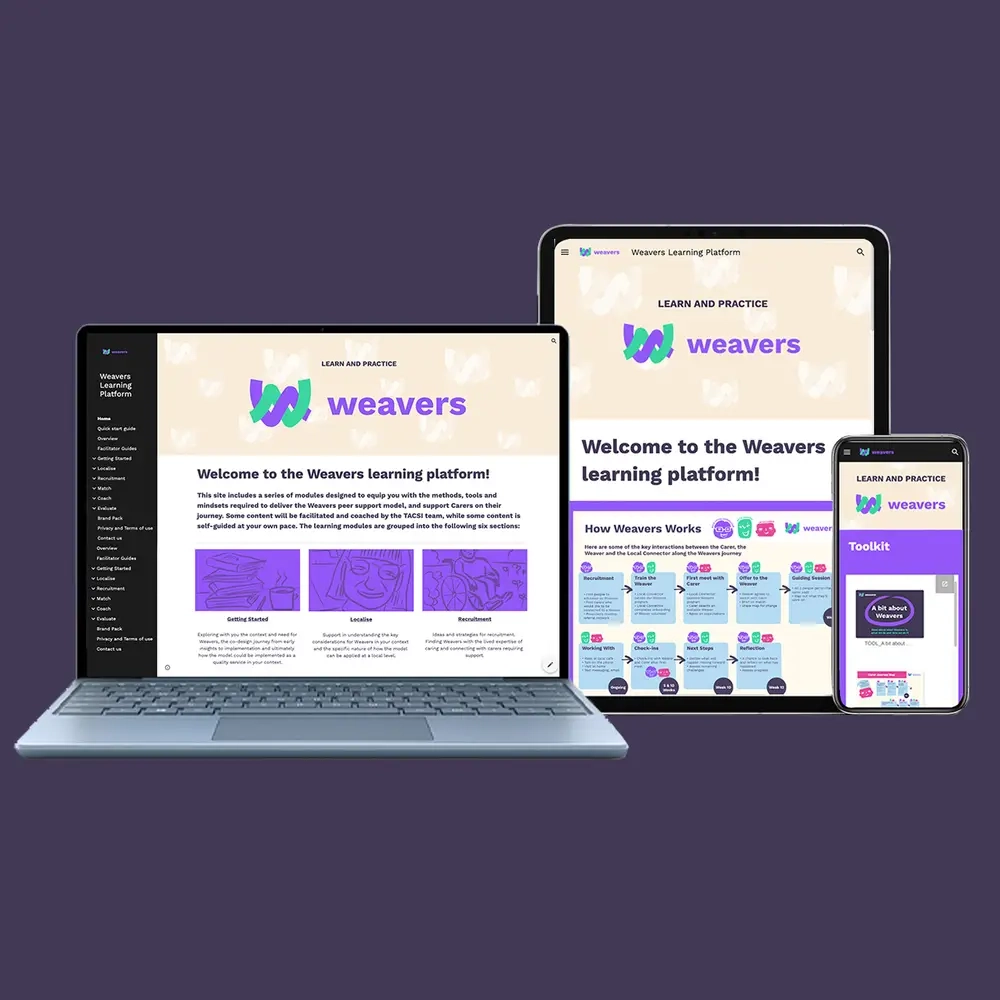
- Brisbane South PHN to implement Weavers, a peer-to-peer response developed to sit alongside existing services, in partnership with The Donald Simpson Community Centre.
- South East NSW PHN (COORDINAIRE) to support three Weavers implementation sites in the Illawarra, Multicultural Communities Council of Illawarra (MCCI), Mission Australia and the Illawarra Women’s Health Centre.
- Adapting the Virtual Village model as a response to domestic, family and sexual violence by activating lived experience potential in regional, rural and remote NSW.

4. Developing co-production capacities and capabilities
Our experience includes:
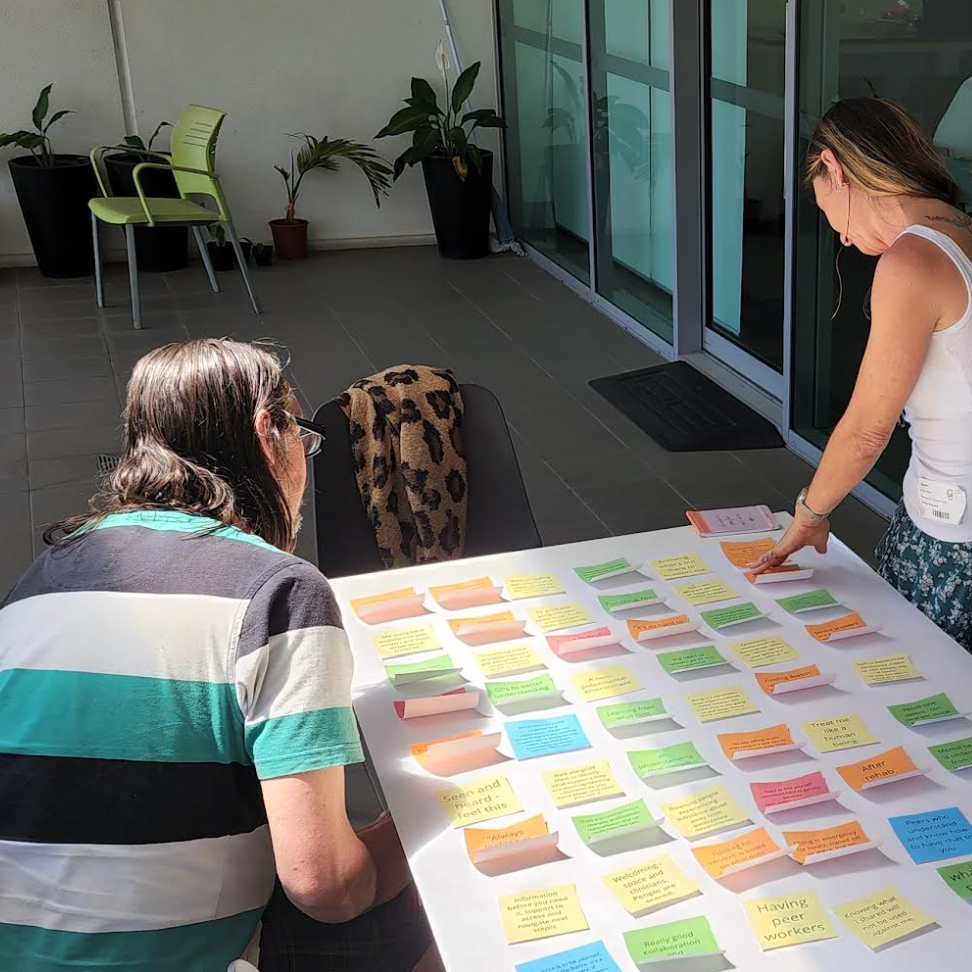
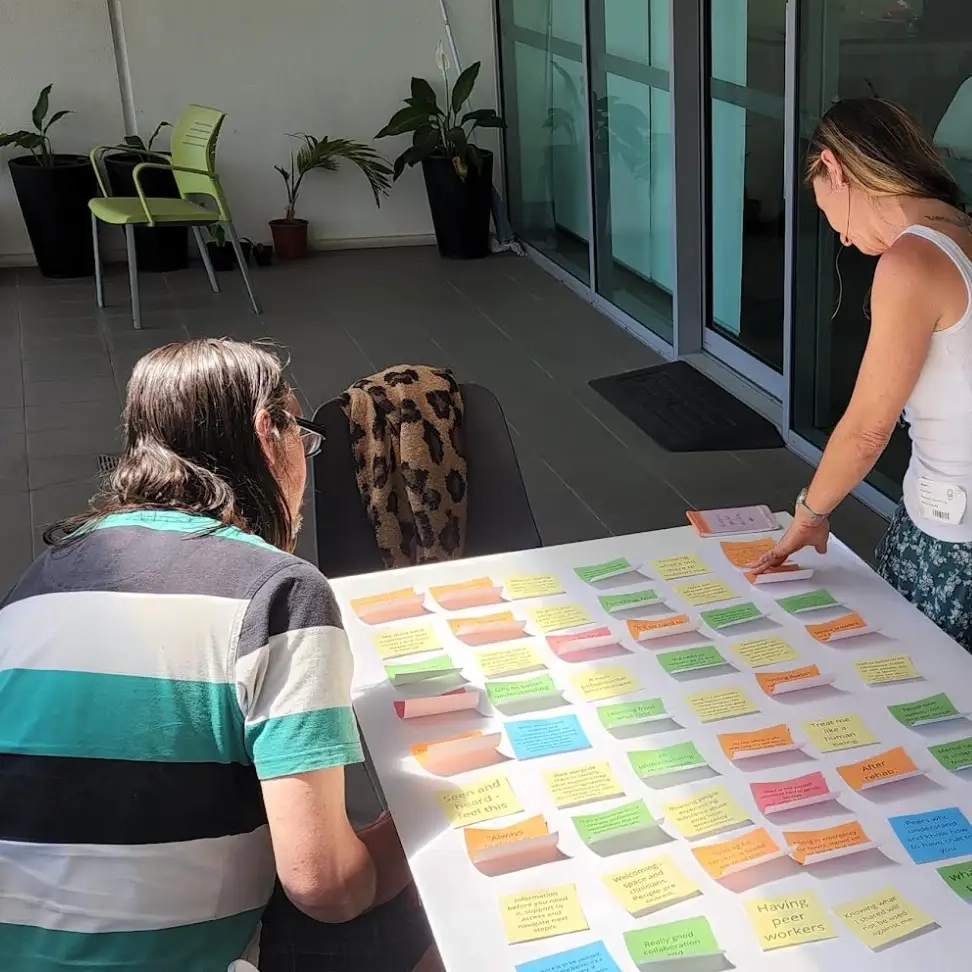
- Alongside the collaborative development of health care models, services models and commissioning models, our work with PHNs often includes building capability within the PHN (and sometimes the broader local system) to embrace co-production. This could include co-planning, co-design, co-commissioning, co-implementation, co-delivery (peer-to-peer) and co-evaluation.
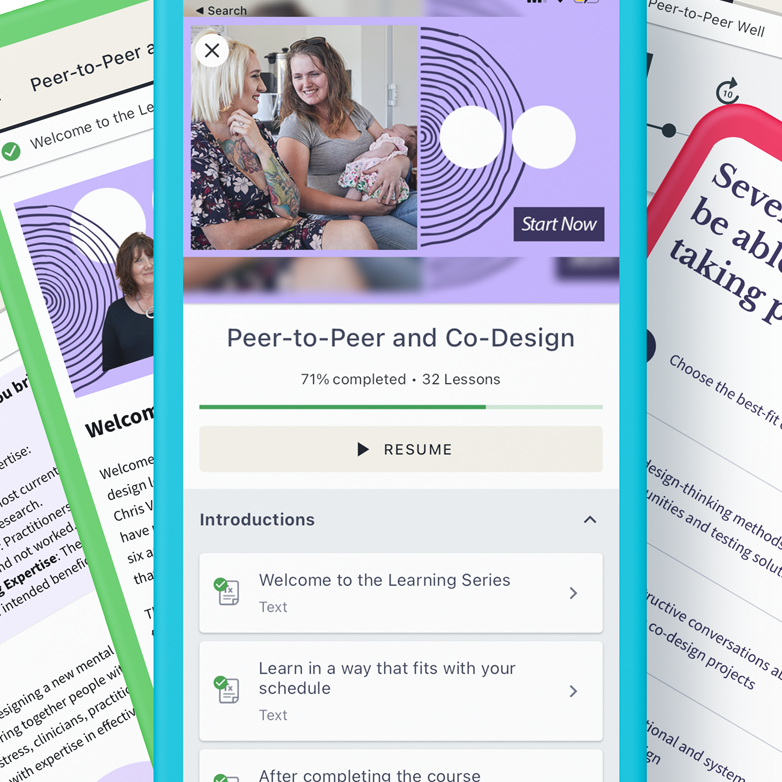
- We also provide training in co-design through the TACSI Learning Hub.
Curious about how we work with PHNs?
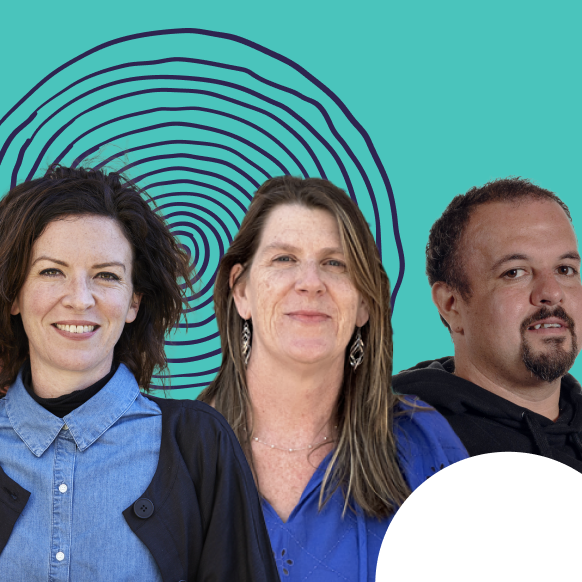
In this short video and accompanying slide deck, TACSI Co-CEOs Chris Vanstone and Kerry Jones share insights from TACSI’s work partnering with PHNs including developing integrated healthcare models, co-designing service models, peer to peer services and building coproduction capability.
Watch the video and explore the slides to learn more about:
- TACSI’s approach to partnering with PHNs
- Opportunities and challenges for successful collaboration with communities
- What PHNs can learn from community-led place based responses