
Elite sports in Australia and overseas work in the nexus of technological, psychological and physiological innovation.
They aim to turn out athletes and teams that produce outcomes. And we invest in them: an ANZSOG paper found that each gold in the 2016 Sochi Olympics cost the taxpayer about $16m.
In the same way that the space race created all sorts of ‘spillover’ benefits in other industries (such as new fabrics and safety devices), maybe there could be a ‘spillover’ from sports innovation into social innovation. Here’s three opportunities we spotted:
Start talent programs for social innovation in the same way we have talent programs for athletes
Imagine if the individuals who were deeply passionate about making social change were identified at an early age and supported to develop and grow their capability. Right now, there are very few courses or pathways from education into social innovation, and developing them is a vital part of developing social R&D ecosystems.
In New Zealand/Aotearoa it’s already happening. The Māori Futures Academy (Tokona Te Raki) is training Māori young people (Rangatahi) in an Indigenous approach to social innovation.

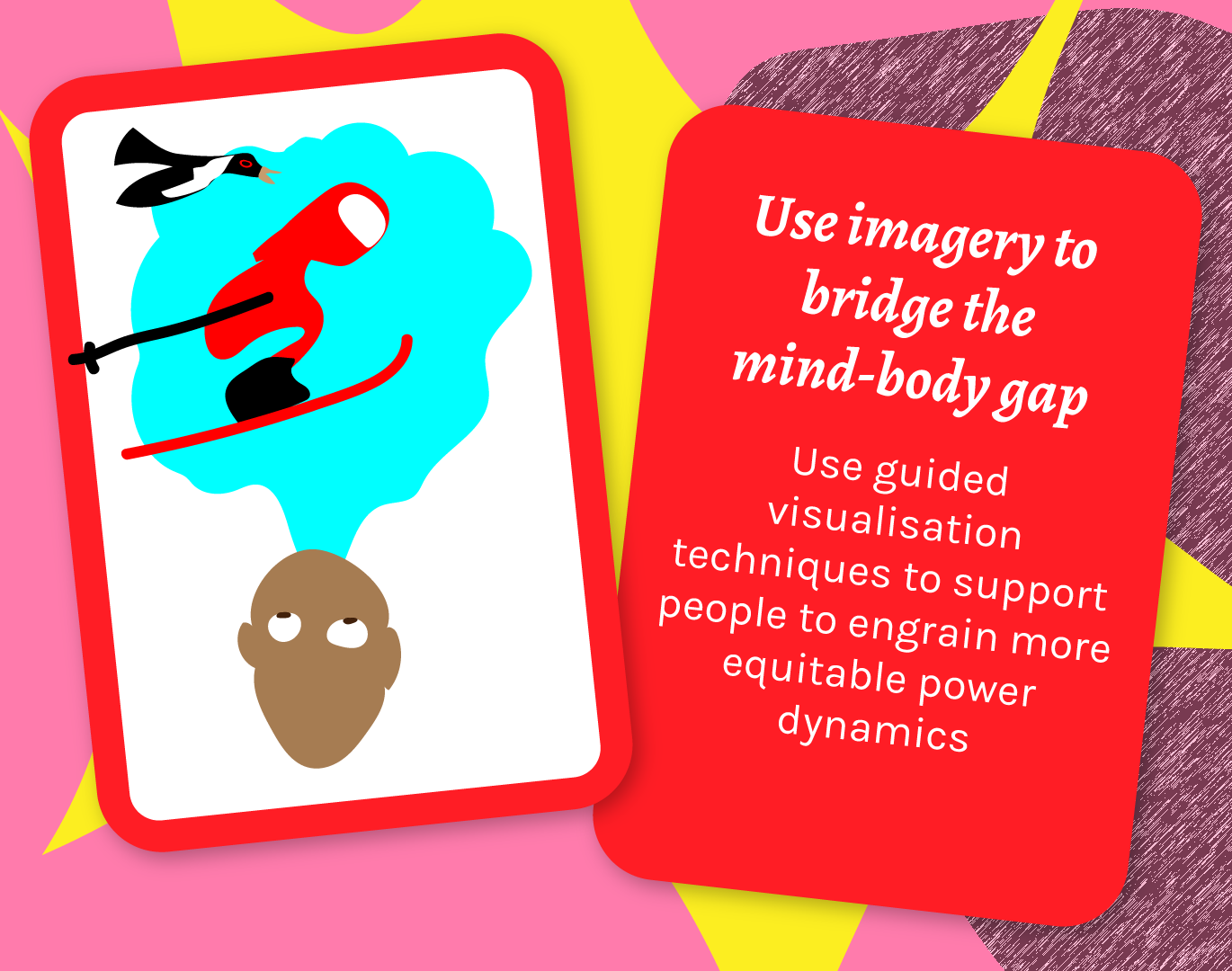
Use guided visualisation techniques to support people to engrain more equitable power dynamics
The use of imagery is pretty much mainstream in elite sport – athletes are trained to close their eyes and imagine every jump on the BMX run, the feel, the sounds; all in their own heads without going anywhere. An athlete may complete their run 1000s of times, without even hitting the course, all to train their brain to react correctly in the moment.
One of the most challenging things we ask people to do in social innovation is to share decision making and power – or even give it up – to community members. It’s easy to say, but hard to do, as ingrained habits and power dynamics often re-surface. But perhaps imagery could help bridge the mind-body gap, and the knowing-doing gap the way it does for athletes.
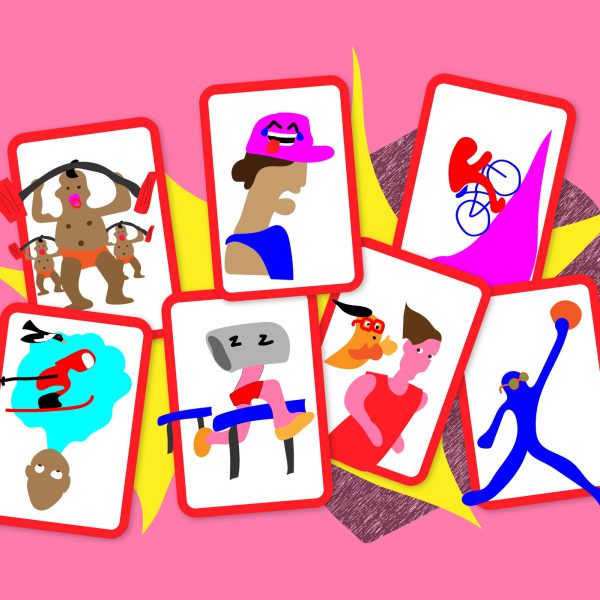
Treat social innovation as more of a game
Social innovation is deeply serious work, but maybe it’s this seriousness that’s getting in the way. Ben Crowe, the mindset coach for World Number One tennis player Ash Barty recently explained to the ABC how he supports Ash not to take things so seriously, and how this change in mindset has become a real asset to her game.
Aunty Vickey Charles, TACSI’s Aboriginal lead and Aunty in Residence, also took this approach with her sports-obsessed sons 20 years ago. “I’d say to them, ‘Did you enjoy playing?’ Because it’s far more important than winning,” says Aunty Vickey.
And part of the game is of course the supporters – and who are the supporters for social innovation? That’s something we’re thinking about a lot right now, as we prepare to transform our governance at TACSI to make sure that each of our action areas are supported by teams of people, including people with lived experience, who are championing change in systems.