
There’s a growing movement of organisations investing in lived experience
Let’s be frank: the majority of decisions in Australia affecting people experiencing marginalisation are made without their input. But, over the last decade, we’ve been thrilled to see more and more organisations change how they go about making decisions.
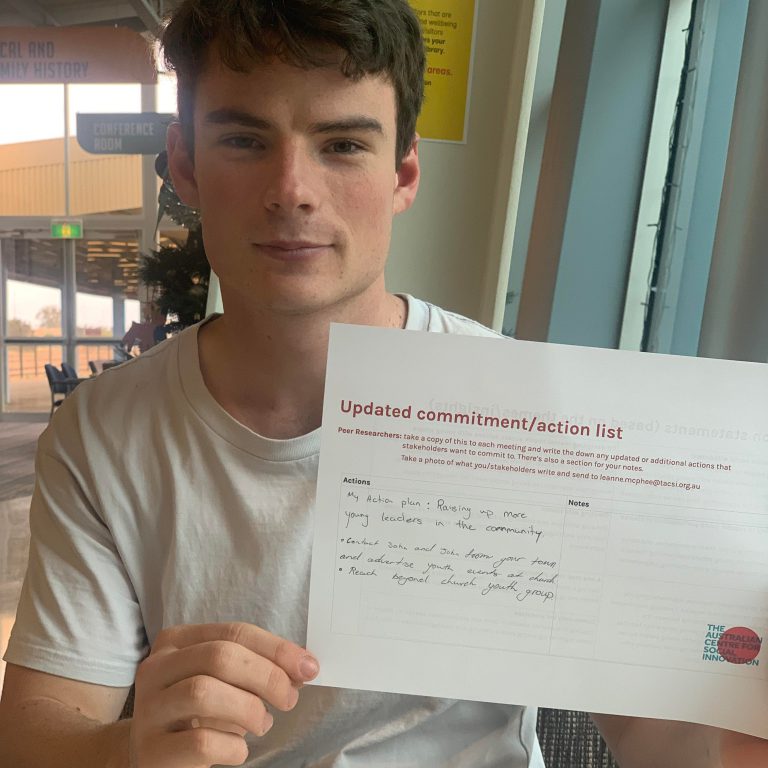
These organisations are starting to include the people most impacted by those decisions in their decision making processes; the people who have had actual lived experience of the challenges they’re trying to address.
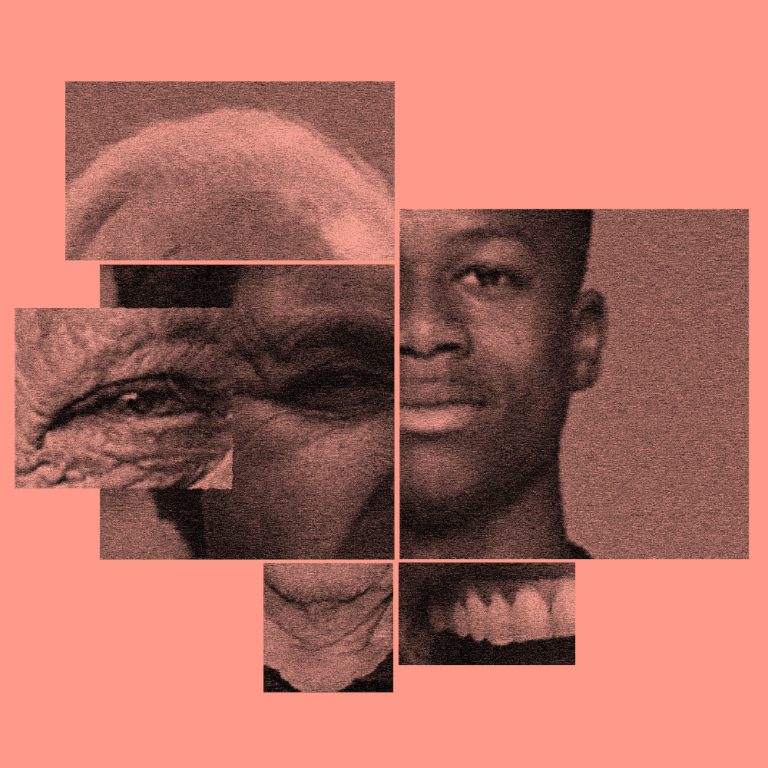
This work goes by many names: including co-design, co-production, citizen’s juries, participatory budgeting and peer work.
Recently, I’ve been talking to some of the people involved in this work
I wanted to understand what they’re getting from co-production, what it takes to do it well, and what would we need to change about our systems if we wanted this to be a more mainstream activity.
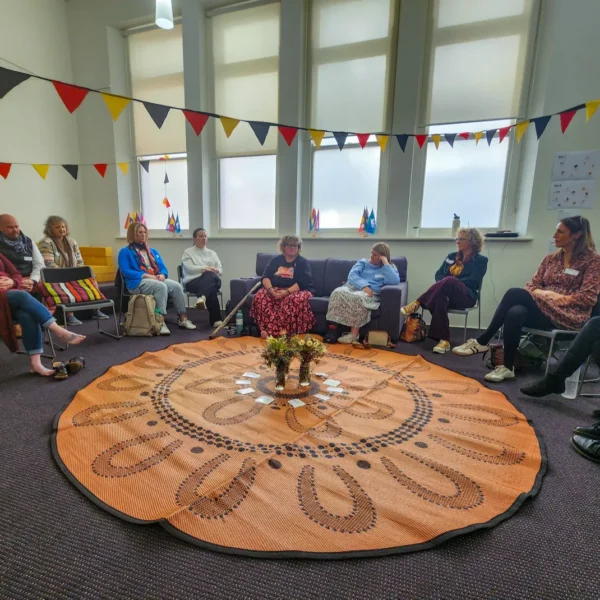
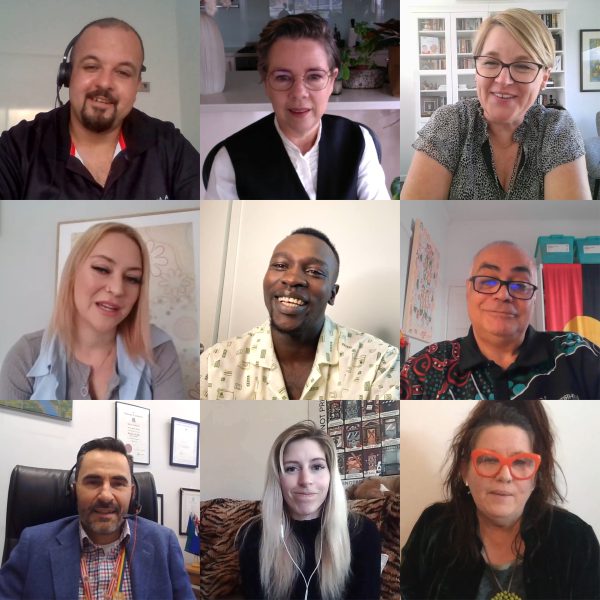
I filmed these conversations, and the result is a 20 minute film called ‘Who Knows?’ that tells real stories from the frontline of participatory innovation in Australia. The film is part of a broader project by the Paul Ramsay Foundation and the University of Queensland to explore innovation, and TACSI was tasked with looking at the lived experience role within that.
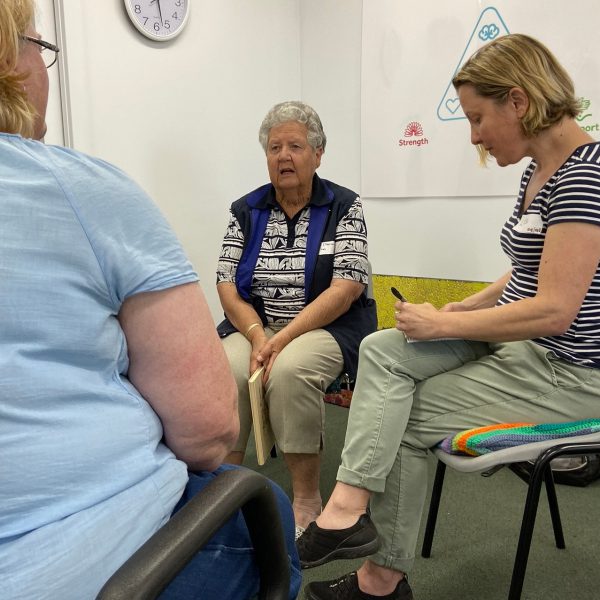
I spoke to 15 people – some with professional experience, some with lived experience and some with both – about their involvement in different forms of participatory decision making.
Watch ‘Who Knows?’ (10min version) Watch a more in-depth 20 minute version of this video
Different organisations “do” lived experience differently
What struck me was the contrast between the majority of conversations that talked about lived experience involvement as a fleeting, project-based experience, and the organisations that had been blending professional and lived experience expertise over many years, while building the organisational systems to support this coming together of knowledge.
Many participants I spoke to were involved in one-off co-design projects. They found them rewarding and meaningful, yet the capacity and relationships forged in the project dissolved when the project ended.
Compare this with Dr Steffan Gruenart, the CEO of rehab facility Odyssey House in Victoria. We spoke at length about the nuances and complexities of managing an organisation and service that brings together lived expertise and professional expertise, declared and undeclared.
Steffan told me that bringing together different kinds of expertise in a power balanced situation takes a lot of work, over many years. Social capital needs to be built and mindsets shifted.
Doing this work project by project, where relations and capabilities are continually dissolved, is starting to make less and less sense.
What struck me most about these conversations was the possibilities
The more I spoke to people, the more I realised there’s opportunity at every level to build living expertise into our systems, into our organisations, and into every room where decisions get made (perhaps even the room that you’re sitting in right now?)
But these conversations also made me realise that to make progress on these tough social challenges, we’re going to need to build lasting communities, not necessarily communities of place but communities of diverse expertise.
The kind of expertise that comes from decades of engaging with public institutions, like foster care and the criminal justice system. The kind of expertise that comes from reading loads of books, and writing loads of papers. And the kind of expertise that can create a space for lived expertise and professional expertise to come together productively.
Some thoughts on the future of participation in Australia
- What if, instead of projects being the default unit of participatory innovation, we’d created something richer and more enduring; more like a team, community or network. This would build and hold relations and bring together expertise – lived experience, professional and dual – while making the whole process more efficient.
- What if implementing reform agendas was streamlined because governments already had blended lived and professional expertise teams that could lead the work.
- What if, instead of service providers building their own teams and working within tight budgets, they could pool resources to work with regional innovation teams – that already brought together lived and professional expertise?