
Evidence is always from the past, and almost certainly from a different context.
What works in the UK or USA isn’t guaranteed to work in Australia; what works in Bendigo won’t necessarily work in Ballarat. What works for teenagers won’t necessarily work for adults. What worked yesterday won’t necessarily work tomorrow. But it might. You won’t know till you prototype.
Prototyping can help you bridge the evidence gap by creating context specific evidence through experimentation. You can think of it as ‘rigorous trial and error’. Prototyping is the ‘design’ part of co-design. It involves making a rough version of what you think will work, testing it out, learning from that and improving your version over time.
Prototypes and pilots
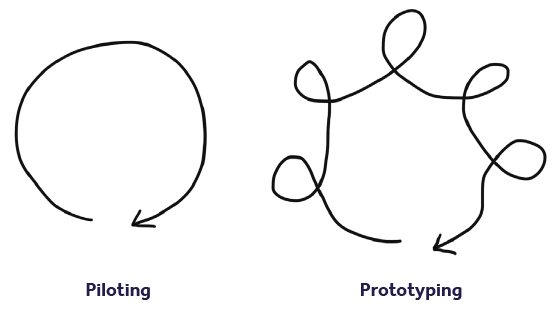
When we pilot a new program, we typically start with a model that has been designed, deliver that for 6-12 months, and evaluate it at the end. In pilots, there is typically one loop of learning.
When we prototype something, we undertake many loops of learning, and much more quickly. In prototypes, things might change on a monthly, weekly, daily or hourly basis. Prototypes help identify what works and what doesn’t – and quickly. Prototyping is all about efficient learning.
While the aim of pilots is to create outcomes, the aim of prototyping is to find what can create outcomes. Prototyping is often a pre-pilot activity.
The prototyping loop
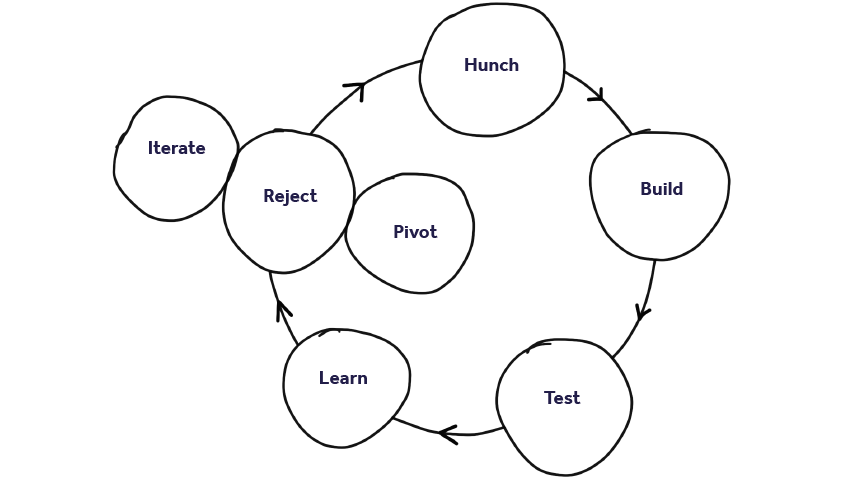
You can think of prototyping as a big loop of activity. You start with a hunch, or a hypothesis (if you want to sound fancy) or guess (if you’re honest). Then you build something, test it and learn from that test. If what you tested worked to some extent you might decide to iterate and do another loop of prototyping informed by what you learnt. If what you tested didn’t work, you may decide to reject the idea and try something else. If it worked, but differently to how you expected you might decide to pivot and take things in a new direction.
Prototyping in practice
Unfortunately, very few people have got to experience the true benefit of design-based approaches because co-design is rarely practised authentically.
In the early stages of a design process, prototyping can help you explore ideas. If you’ve identified ideas that are promising, prototyping can help you refine them. When you really think you’ve got something that is nearly ready prototyping to validate that idea by running small scale experiments – a kind of mini pilot.
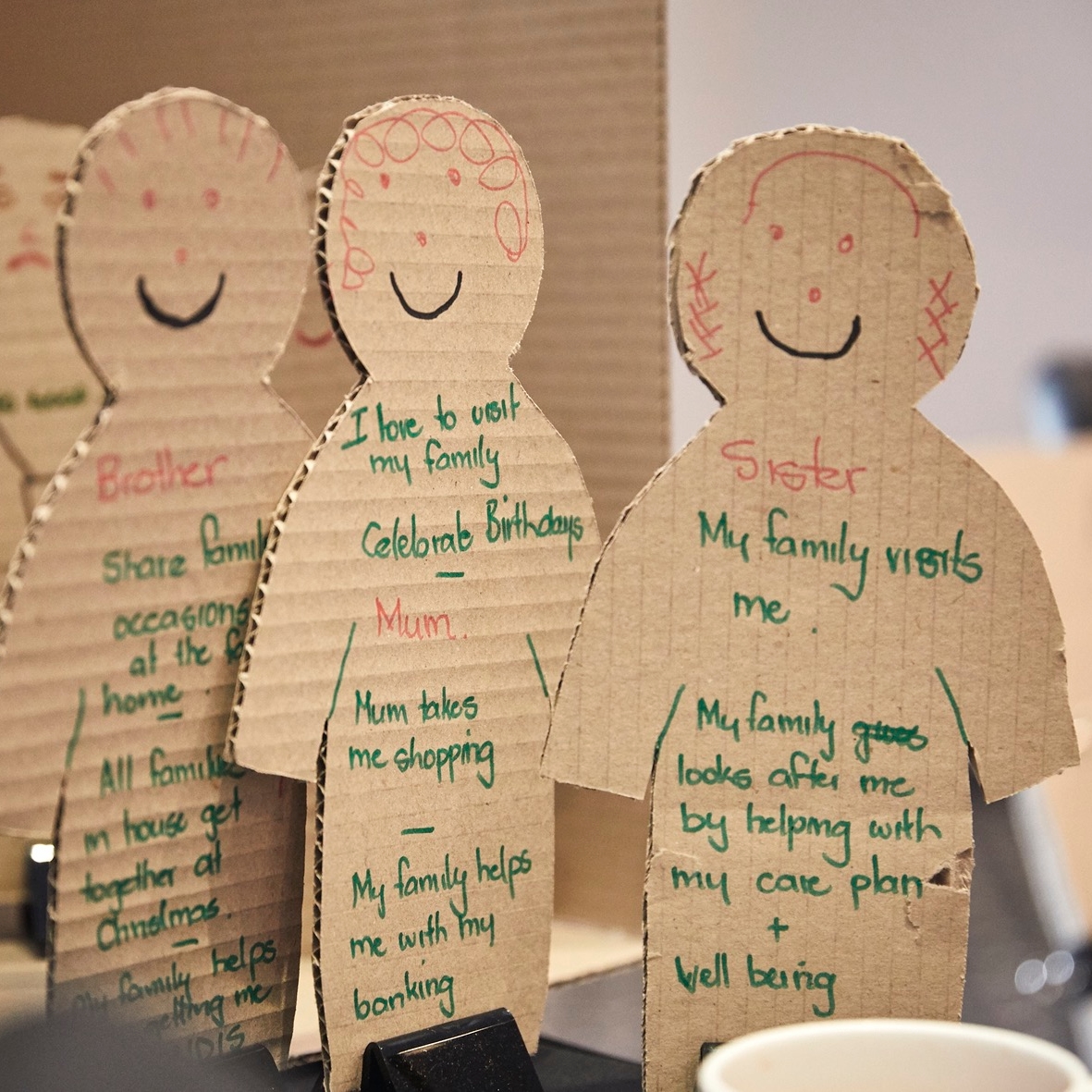
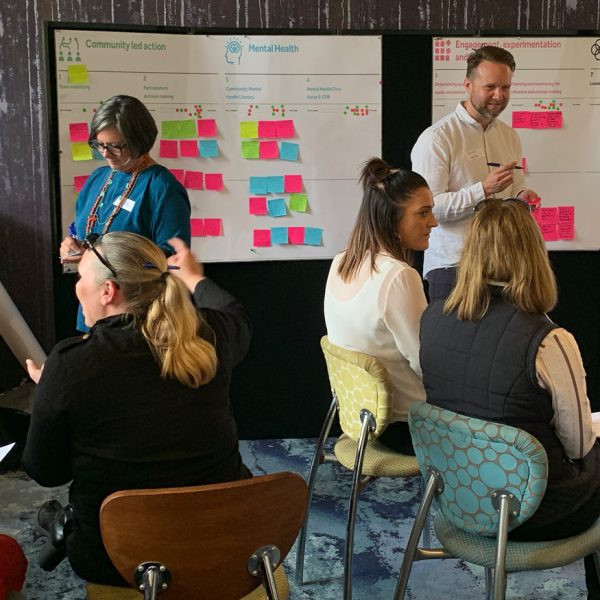
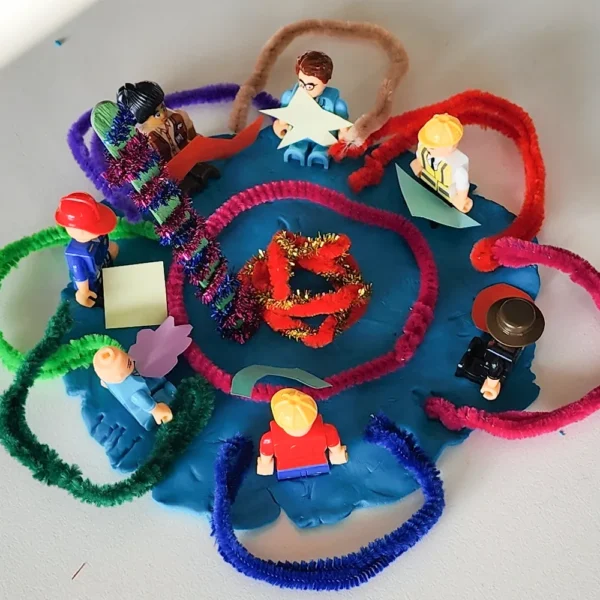
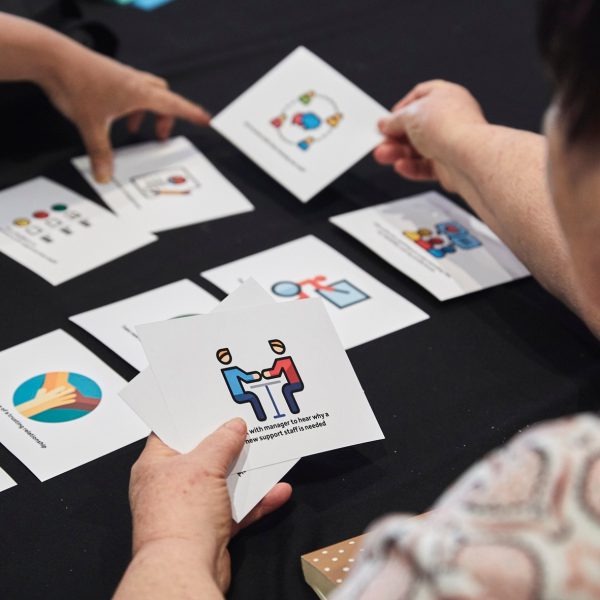
There are many different materials you can use for prototyping, each is suited to prototyping particular things. You can use paper, build things out on a tabletop, act them out, visualise scenarios or use frameworks for prototyping. You can explore more in the links below.
Reading and resources
You can deepen your understanding of prototyping through these resources.