

The opportunity
The forensic mental health program within Ballarat Community Health wanted to improve its impact and the engagement of its client base: People who are currently on a community corrections order (CCO) that mandates mental health support.
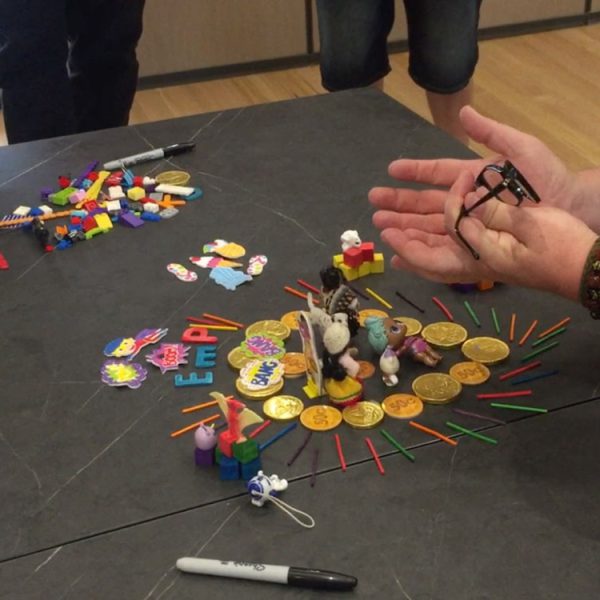
Alongside the project team and a number of existing clients, TACSI led a co-design process to facilitate the discovery of new solutions, mindsets and practices to improve the current mental health service experience.
Ballarat Community Health was the lead on a consortium for this work that includes BADAC (Ballarat and District Aboriginal Co-operative LTD.), Grampians Community Health and Ballarat Health Services.
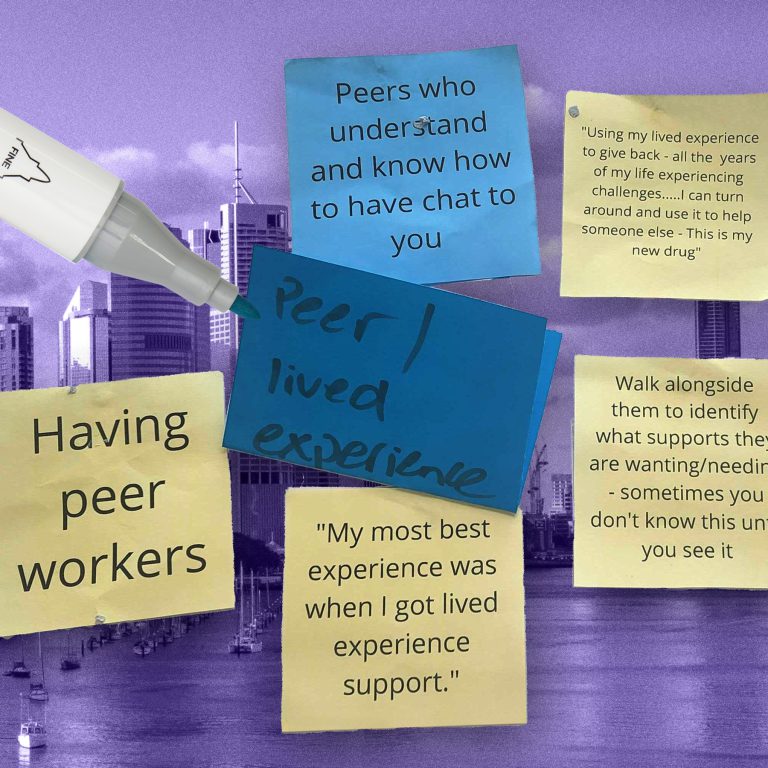
The corrections department accepted the project team’s prototype pitch, with the aim of bettering the service model, experience and service outcomes for their clients. The service received a new name, an improved model of care, and peer roles.
Our approach
TACSI worked alongside the project team to embark on a co-design process to improve the current mental health service experience. This included exploring what exists, unearthing and testing new solutions, and transforming clinical team mindsets and practices. A number of existing clients led the research phase.
What’s next
Foregrounding lived experience leadership, the project team members successfully pitched a prototype to the corrections department that was successfully tested, with the aim to improve the overall experience and service outcomes for their clients. The team have also tested co-designed elements of a service model that sought to improve practice and outcomes.